International Glance
 The Trump administration is planning to deliver powerful 2,000lb bombs to Israel as part of an upcoming arms deal, weapons that prompted such concerns about the possibility of mass casualties in Gaza that the Biden administration paused their delivery two years ago.
The $2.8bn package includes 40,000 bombs, made up of 20,000 MK-84s and 20,000 BLU-117s, according to two US officials and a person familiar with the plan who spoke on Tuesday on condition of anonymity to discuss the package, which is not yet final.
Congress has been informally notified about the pending deal, most of which is to be paid for with foreign military financing – in which US taxpayer dollars are given to Israel to turn around and buy the weapons from the United States.
The proposed sale is just the latest in a series of Trump administration steps to improve Israeli’s military capacity. The war on Gaza has left tens of thousands of Palestinians dead and has decimated the territory. The US had brokered a fragile ceasefire, but it has been violated several times.
 As right-wing governments across Latin America embrace increasingly militarised and technology-driven approaches to organised crime, Israel is positioning its industry as a source of expertise, surveillance capabilities and national security solutions.
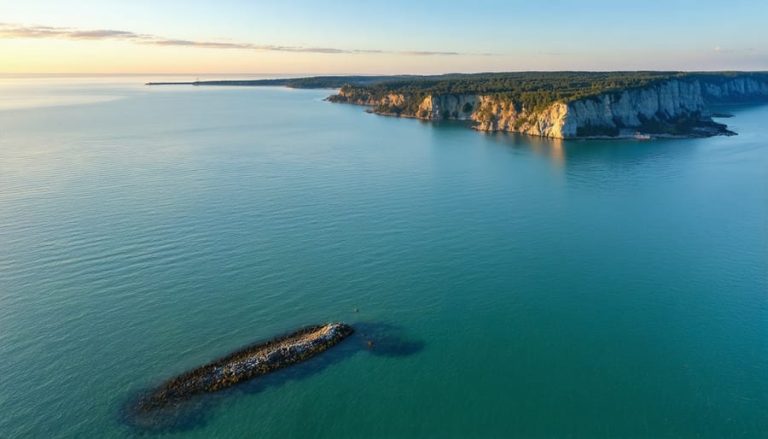 The National Weather Service has begun the work of renaming Lake Ontario to Lake America in its broad array of products and services, including maps, websites and forecasts, the agency announced Sept. 14.
 Yemen's Houthi fighters' rapid advance along the Red Sea coast has put them in a prime position to control shipping in the Bab el-Mandeb choke point, while bolstering Iran’s leverage against the US, experts tell Middle East Eye.
 The UK's new sanctions on illegal Israeli settlements include those in the occupied Golan Heights as well as in occupied Palestinian territory, Middle East Eye understands.
 Shortly before taking office, Andy Burnham, the new prime minister, apologised for our party’s initial response to Israel's war on Gaza, saying we got it wrong.
  Relations between Israel and European states have deteriorated after the UK led moves on Tuesday to impose sanctions against Israeli settlements.