International Glance
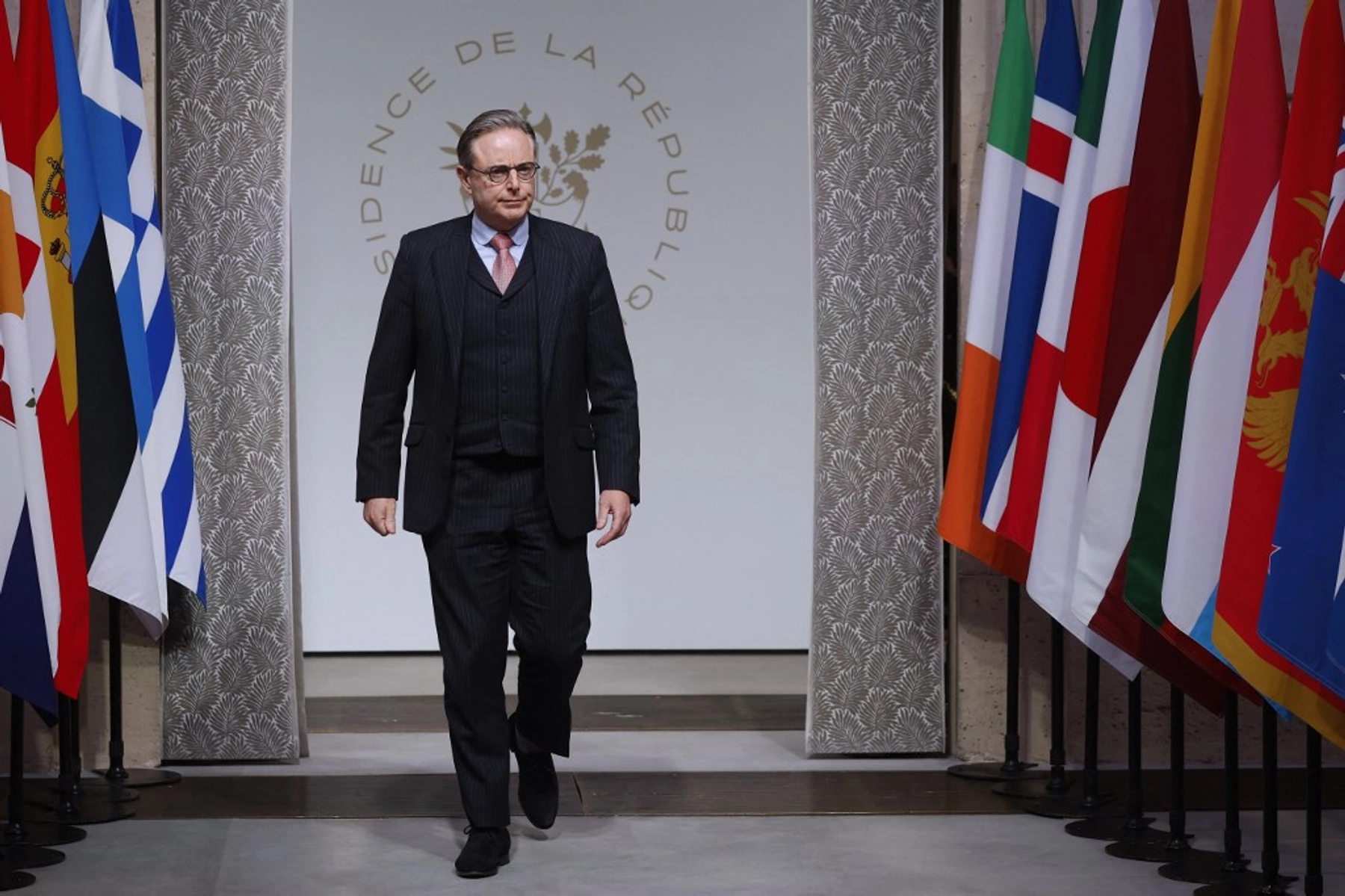 President Volodymyr Zelensky said Tuesday, Aug. 18 that Kyiv and Brussels are working on finalizing a Drone Deal, following talks on bilateral defense and diplomatic cooperation.
Zelensky detailed the meeting in a statement on Telegram, saying that he held discussions with Belgian Deputy Prime Minister and Minister of Foreign Affairs, Maxime Prévot, covering nearly all areas of bilateral and multilateral cooperation between the two countries.
“I expect that we will be able to implement what we discussed, and that protection against Russian strikes will increase,” Zelensky said, adding that “Ukraine is also ready to share its experience and expertise and to support partners who have stood with us since the start of the war.”
Zelensky praised Belgium for allocating more than €1.1 billion (roughly $1.3 billion) in support to Ukraine already disbursed this year, along with Belgium’s backing of Ukraine’s path toward European Union membership.
 The Palestinian American whose home in the occupied West Bank has been besieged by Israeli settlers for over a week traveled to his property on Monday to join other family members who have been defending it.
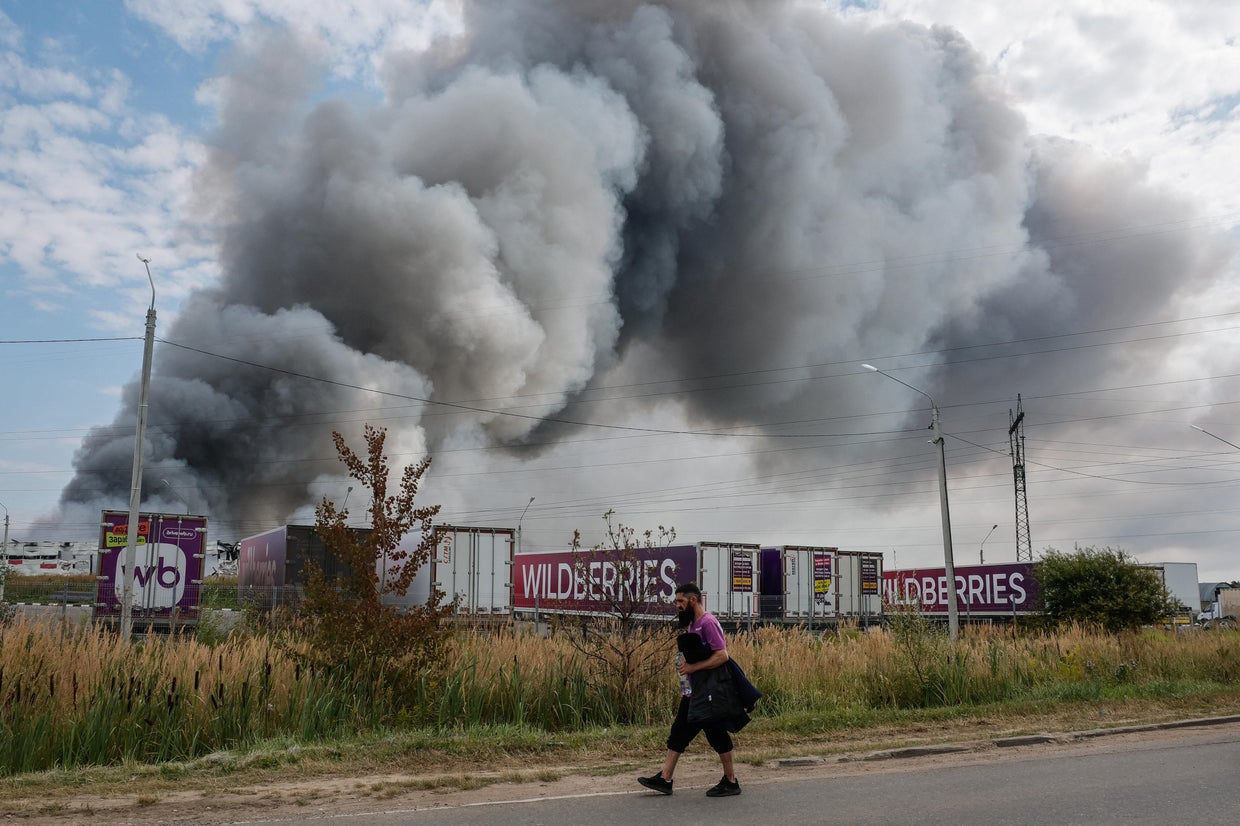 Ukraine launched hundreds of drones across Russia Sunday, killing at least six people in one of Kyiv's largest aerial attacks of the war.
 Israeli Prime Minister Benjamin Netanyahu has branded Britain an "Islamic republic", attacking a country whose governments have armed, protected and assisted Israel throughout its genocide in Gaza and wider regional wars.
 A German court this month decided that comparing Israel to Nazi Germany is protected legal speech, highlighting a growing conflict between constitutional protections and Berlin’s political commitment to Tel Aviv.
  Russian authorities declared a state of emergency in the Black Sea port city of Novorossiysk on Wednesday following a large-scale Ukrainian attack that damaged infrastructure, disrupted the water supply, and sparked multiple fires.