Energy Glance
 The American engineering and construction firm KBR hired Unaoil — an obscure Monaco-based company now involved in a massive international bribery scandal — to help it win oil and gas contracts in Kazakhstan. KBR, which until 2007 was part of the oilfield services giant Halliburton, paid Unaoil millions of dollars from 2004 until at least 2009, according to thousands of internal documents obtained by The Huffington Post and Fairfax Media.
Halliburton and KBR have been in trouble for bribery in the past. After a years-long federal investigation, KBR pleaded guilty in 2009 to multiple criminal counts of violating U.S. foreign corruption laws by bribing Nigerian officials. KBR agreed to pay $402 million as part of a settlement. Halliburton and KBR also paid $177 million to settle SEC civil charges related to the same conduct. Three years later, Albert “Jack” Stanley, KBR’s former CEO, was sentenced to 30 months in federal prison for his role in the scandal. As part of the deal with the Justice Department, KBR agreed to waive many of its legal rights if it was caught violating bribery laws again.
U.S. Oil Industry Giant Paid Millions To A Company At The Center Of Huge Corruption Scandal
Scotland hosting new type of offshore wind program
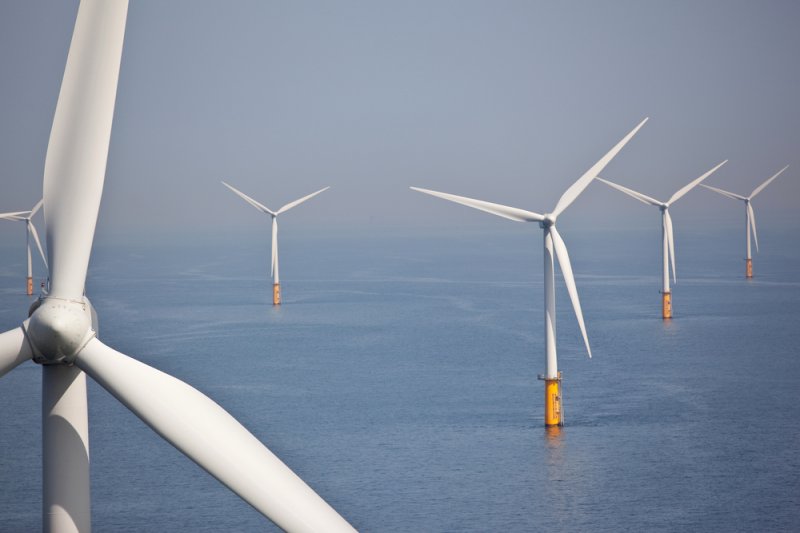 The Scottish government said it granted a license to the operators of what Edinburgh said may be the world's largest offshore floating wind energy development.
Norwegian energy company Statoil was granted a license for its Hywind pilot project that envisions up to five turbines installed by an anchoring system that developers said would facilitate deep-water installation.
Oil Services Co.,Baker Huhes, lays off 10,500
 "Extreme market forces" are in play in the global energy sector, oil services company Baker Hughes said Tuesday in announcing widespread layoffs.
The company said it was cutting about 17 percent of its workforce, or around 10,500 jobs, as it works to streamline its finances amid the drop in exploration and production. During the first quarter, Baker Hughes reported revenue of $4.59 billion, a 20 percent decline year-on-year.
"Our first quarter results are a reflection of the extreme market forces faced by our industry since late December," Baker Hughes Chairman and Chief Executive Officer Martin Craighead said in a statement. "Consistent with past downturns, many of our customers have curtailed or canceled projects."
Japan now has more car charging points than gas stations
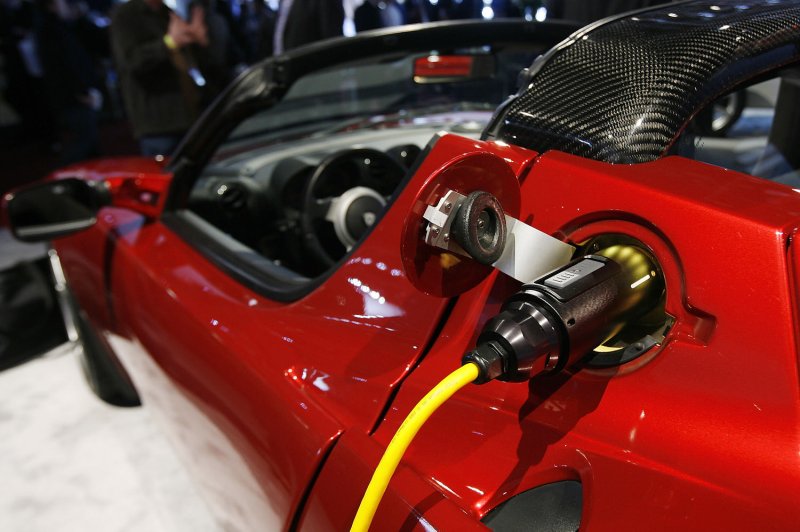 Nissan Motor Co. has reported that Japan now has more places to charge electric vehicles than gas stations. The country has roughly 34,000 gas stations, compared to 40,000 charging points. The charging points range from stations to home setups.
"An important element of the continued market growth is the development of the charging infrastructure," Nissan Chief Financial Officer Joseph G. Peter told analysts on a conference call, according to Bloomberg Business.
Researchers turn solar energy into liquid fuel
 A small number of vehicles on U.S. roads are already indirectly powered by the sun. Ostensibly, some of America's electric cars use power derived from solar panels. And the fuel cells that bolster a growing fleet of hybrid cars and buses rely on hydrogen converted by photovoltaic cells.
But America is a liquid fuel kind of nation. To help wean American's off their love of gasoline, researchers at Harvard have found a way to turn solar energy into liquid fuel. It's like gas -- only good for the environment.
PlayStation 4 And Xbox One Are Energy Hogs
 For all their graphical improvements and multimedia functionality, there's one place where Microsoft's Xbox One and Sony's PlayStation 4 are sorely lacking: energy efficiency.
This is according to a report released on Thursday from the Natural Resources Defense Council (NRDC), which found that both the Xbox One and the PlayStation 4 consume two to three times more electricity than the previous generation of consoles. The Nintendo Wii U is the only next-gen console that consumes less energy than the Wii that came before it, the NRDC found.
EU court backs ‘right to be forgotten,’ orders Google to take down links
 Europe’s top court struck a blow for the "right to be forgotten" Tuesday, ordering Google to delete search results shown to be “inadequate, irrelevant or no longer relevant” at the behest of members of the general public.
In a landmark decision, the Court of Justice of the European Union said the search giant and others must listen and sometimes comply when individuals ask for links to newspaper articles or websites containing personal information to be taken down.
More Articles...
Page 2 of 41