Environmental Glance
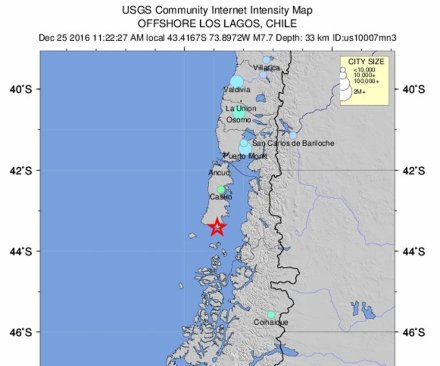 A 7.7-magnitude earthquake hit Chile Sunday. There were tsunami warnings, but they have been lifted.
The quake hit 150 miles southwest of Puerto Montt, at a depth of 9 miles, the U.S. Geological Survey reported.
Chile's national emergency office issued an alert and ordered an evacuation.
More...
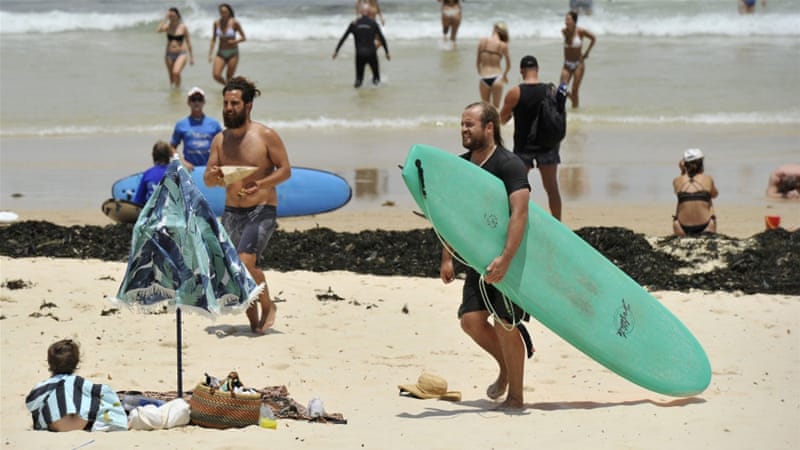 Sydney has just broken a record that has stood since 1868 - the overnight temperature stayed above 27C.
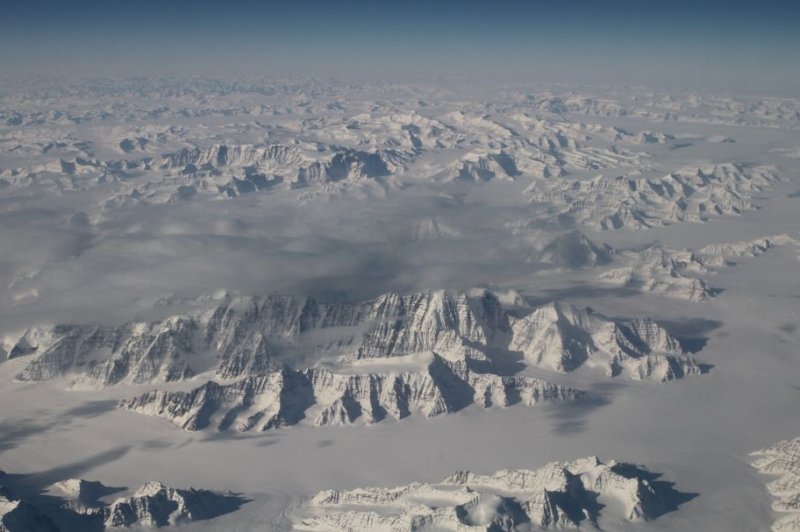 Quickly melting ice in the Arctic with no effort to stop it may someday bring a stage where critical ecological change is uncontrollable, a team of international scientists said in a "groundbreaking" new report Friday.
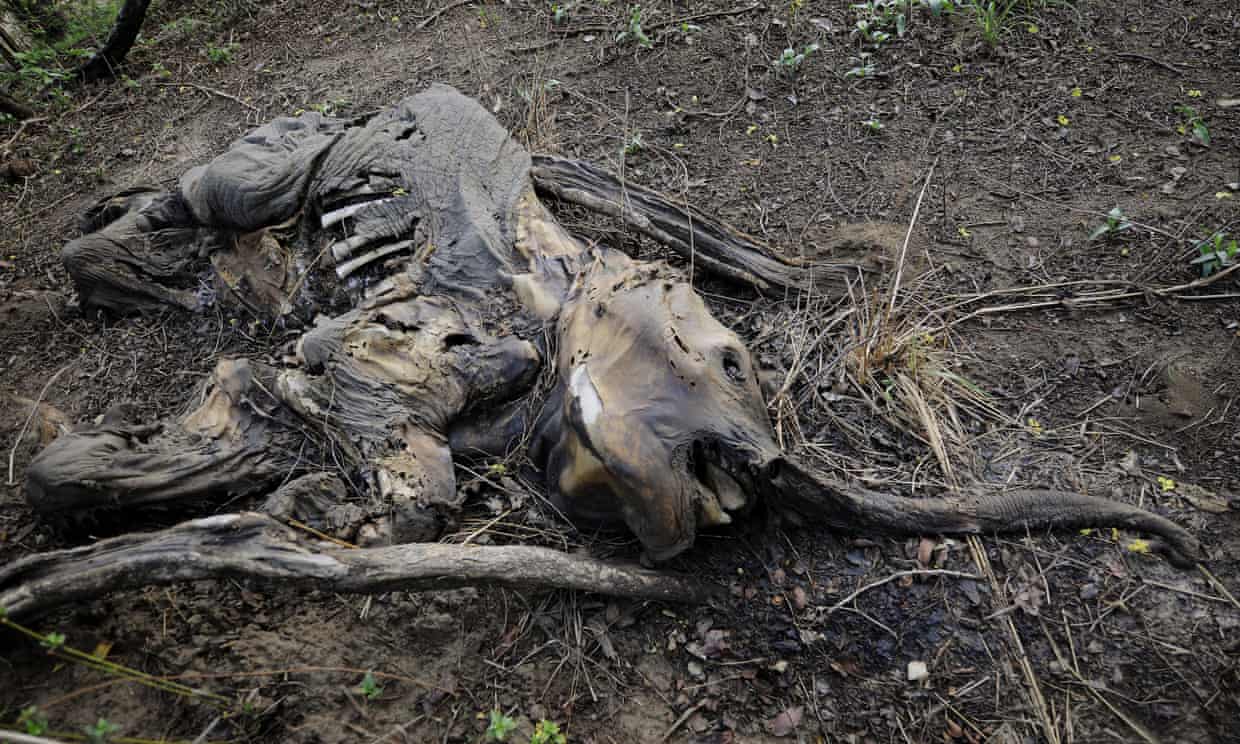 The number of wild animals living on Earth is set to fall by two-thirds by 2020, according to a new report, part of a mass extinction that is destroying the natural world upon which humanity depends.
 Yet another study has determined that hydraulic fracturing, or fracking, might be a major public health threat. In one of the most exhaustive reviews to date, researchers from the Yale School of Public Health have confirmed that many of the chemicals involved and released by the controversial drilling process can be linked to cancer.
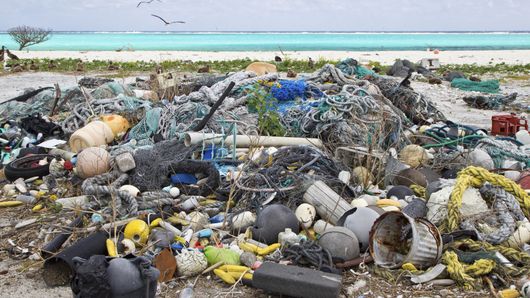 The first aerial survey of the Great Pacific Garbage Patch shows that the amount of debris swirling in the North Pacific has been “heavily underestimated,” the expedition group said.