Environmental Glance
The United States should continue to be "engaged" in international climate change discussions but the Paris climate change agreement is a "bad deal" for the country, the head of the Environmental Protection Agency said Sunday.
EPA Administrator Scott Pruitt did not confirm whether the United States would remain in the global climate change pact, under which nearly all countries agreed in 2015 to halt or curb their greenhouse gas emissions, even as the world's biggest emitter China reaffirmed its commitment to the agreement.
EPA chief says Paris climate agreement 'bad deal' for U.S.
Peru's illegal gold mines are devastating the Amazon rain forest
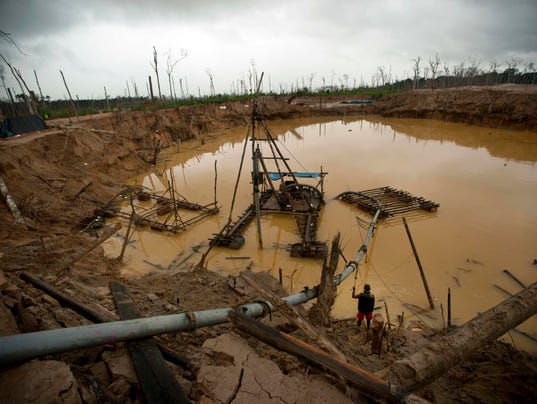 The roads cutting through the Amazon rain forest are lined with signs encouraging people to protect Peru's natural resources and take care of the environment, but people aren’t sure why the government posts them anymore.
Many rivers in Peru run orange with pollution from illegal gold mining, and trees were cut away to make room for sifting towers and excavators.
Dead Sea evidence of unprecedented drought is warning for future
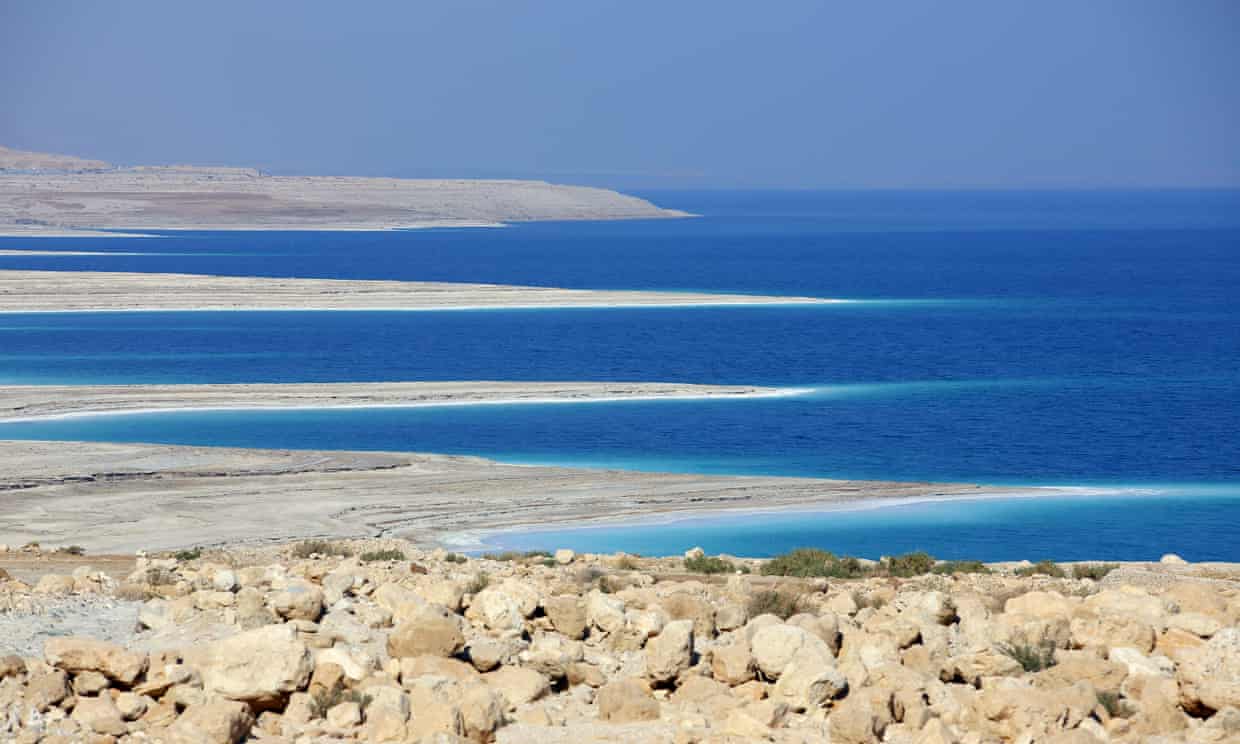 Far below the Dead Sea, between Israel, Jordan and Palestinian territories, researchers have found evidence of a drought that has no precedent in human experience.
From depths of 300 metres below the landlocked basin, drillers brought to the surface a core that contained 30 metres of thick, crystalline salt: evidence that 120,000 years ago, and again about 10,000 years ago, rainfall had been only about one fifth of modern levels.
The cause in each case would have been entirely natural. But in the region where human civilisation began, already in the grip of its worst drought for 900 years, it is a reminder of how bad things could get and a guide to how much worse human-induced climate change could become.
Arctic sea ice could disappear even if world achieves climate target
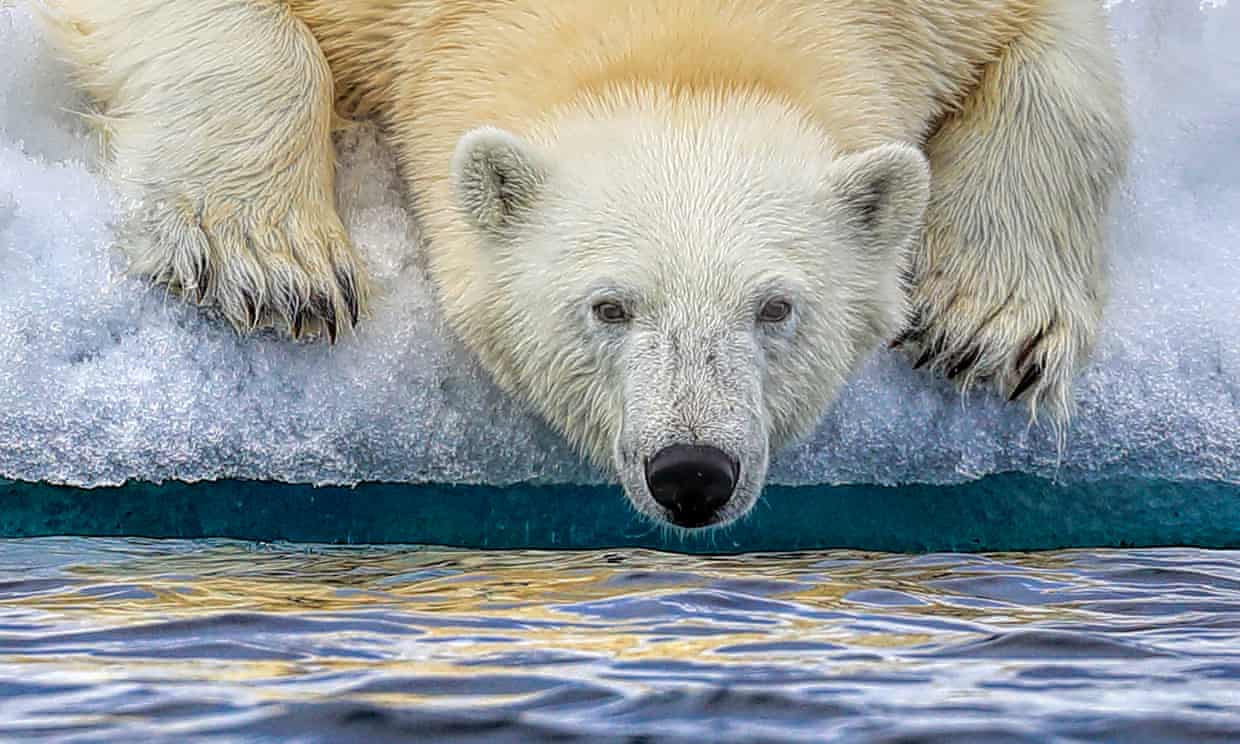 Arctic sea ice could vanish in summers this century even if governments achieve a core target for limiting global warming set by almost 200 countries, scientists have said.
The ice has been shrinking steadily in recent decades, damaging the livelihoods of indigenous people and wildlife, such as polar bears, while opening the region to more shipping and oil and gas exploration.
Antarctica hits record high temperature at balmy 63.5°F
An Argentine research base near the northern tip of the Antarctic peninsula has set a heat record at a balmy 63.5° Fahrenheit (17.5 degrees Celsius), the U.N. weather agency said on Wednesday.
The Experanza base set the high on March 24, 2015, the World Meteorological Organization (WMO) said after reviewing data around Antarctica to set benchmarks to help track future global warming and natural variations.
Trump executive order scraps EPA water rule
President Trump signed an executive order Tuesday scrapping a controversial Environmental Protection Agency rule that expanded the agency's jurisdiction over the nation's waterways during the second term of former President Obama.
The regulation, known as the Waters of the U.S. rule, broadened the definition of the type of water body that would fall under EPA's formidable clean water enforcement powers, making everything from streams to ditches and watering holes subject to the EPA's and Army Corps of Engineers' oversight.
Biologists say half of all species could be extinct by end of century
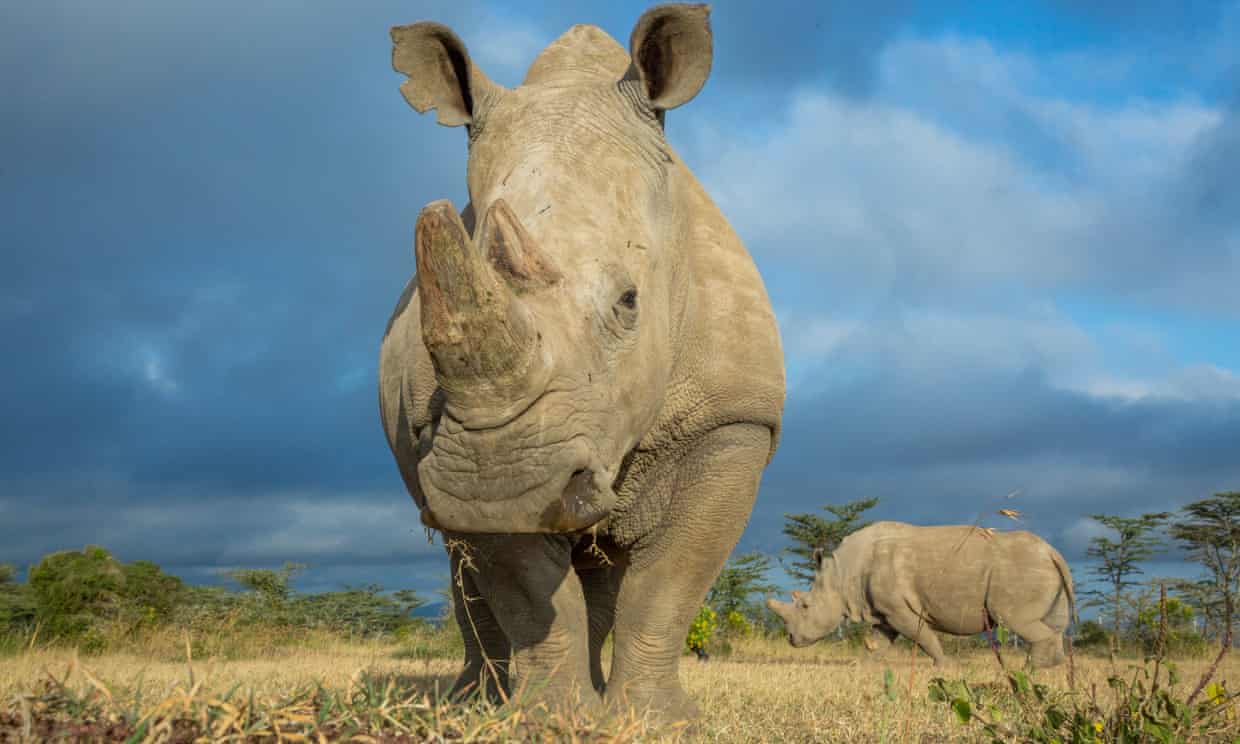 One in five species on Earth now faces extinction, and that will rise to 50% by the end of the century unless urgent action is taken. That is the stark view of the world’s leading biologists, ecologists and economists who will gather on Monday to determine the social and economic changes needed to save the planet’s biosphere.
“The living fabric of the world is slipping through our fingers without our showing much sign of caring,” say the organisers of the Biological Extinction conference held at the Vatican this week.
More Articles...
Page 19 of 205