Science Glance
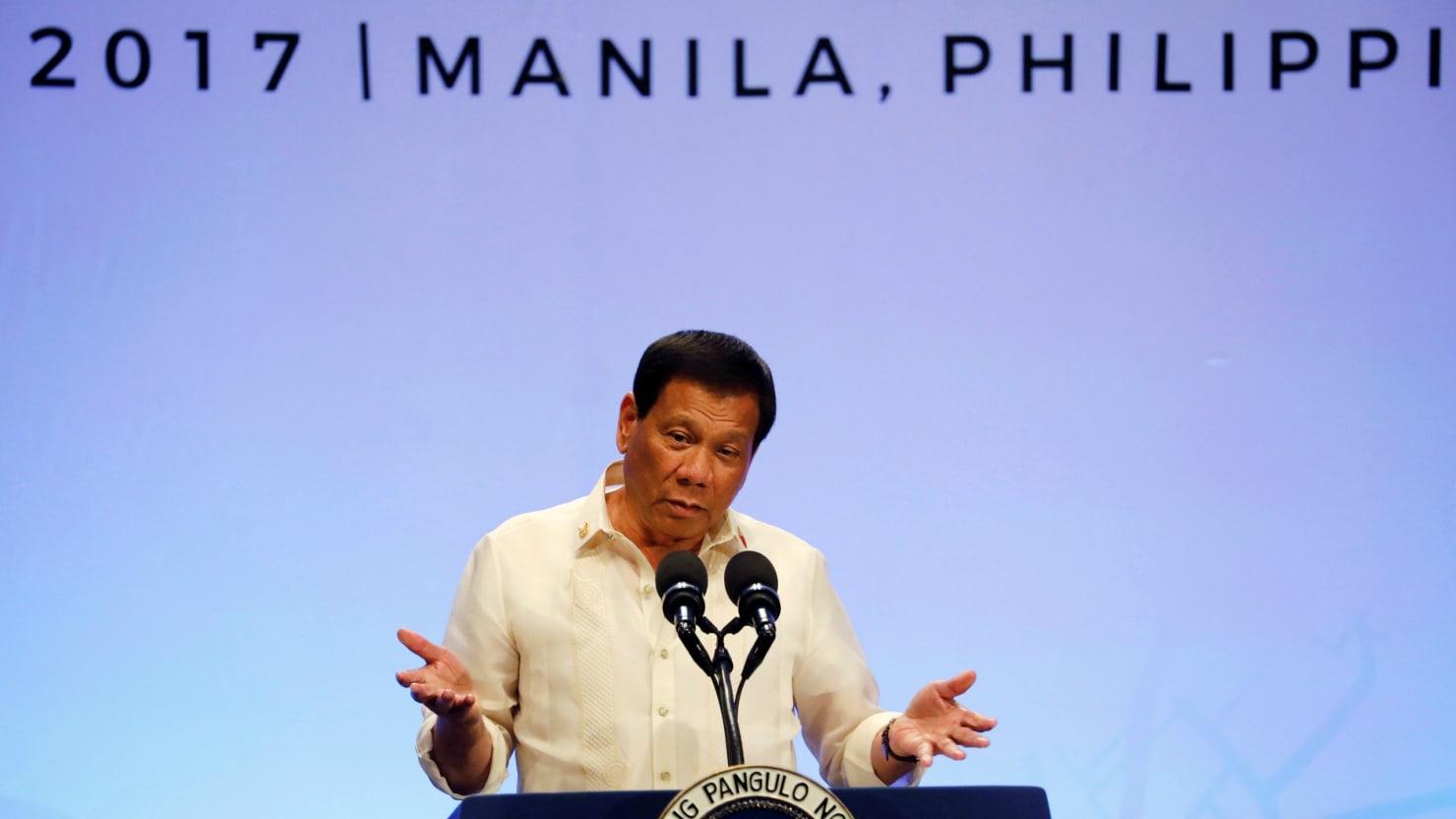
“I cannot make any definite promise. I am supposed to go to Russia; I am supposed to go to Israel,” he said, according to Yahoo News.
Trump's invitation to Duterte, who has been accused of backing the vigilante execution of people involved in the drug trade and threatening journalists and political opponents, drew criticism from human rights groups. He invited the controversial leader to the White House without consulting the State Department or the National Security Council.
TVNL Comment: Trump did not bother to inform the State Department before issuing an invitation to this murderer who boasted of being willing to '...execute three million drug addicts."
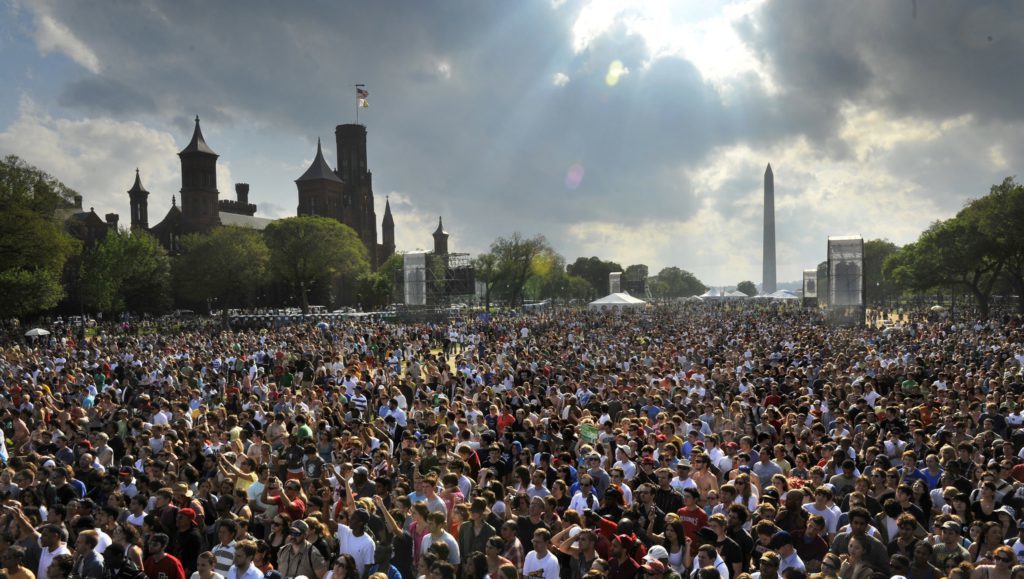 This Earth Day, April 22, Earth Day Network and the March for Science are co-organizing a rally and teach-in on the National Mall in Washington, D.C. The day’s program will include speeches and trainings with scientists and civic organizers, musical performances, and a march through the streets of Washington, D.C. The crowd will gather at 8:00am, and the teach-in will begin at 09:00am.
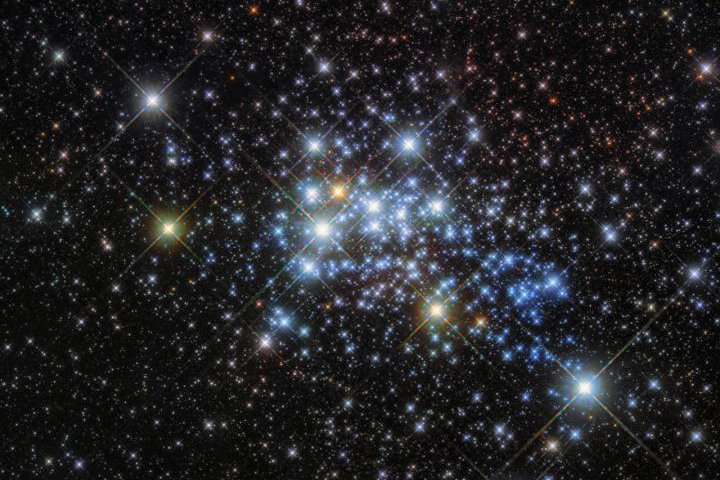 NASA scientists have gotten a closer look at one of the largest stars ever discovered in a super star cluster, thanks to images from the Hubble Space Telescope.
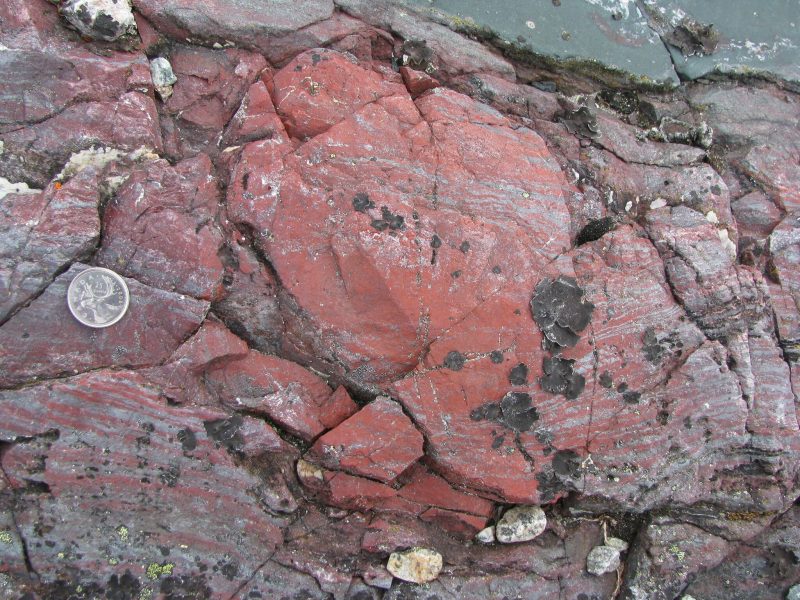 Tiny, tubular structures uncovered in ancient Canadian rocks could be remnants of some of the earliest life on Earth, scientists say.