



 Iran’s supreme leader Ali Khamenei has been killed, Iranian state media confirmed early on Sunday, in the opening salvo of a war aimed at regime change that was launched on Saturday by the US and Israel.
Khamenei had not been heard from since the strikes began, and satellite imagery showed that his secure compound was heavily damaged in the initial barrage on Saturday.
The confirmation came hours after Donald Trump announced the death of the ayatollah, who has ruled Iran as supreme leader since 1989, in a post on Truth Social.
“Khamenei, one of the most evil people in History, is dead,” Trump wrote. “He was unable to avoid our Intelligence and Highly Sophisticated Tracking Systems and, working closely with Israel, there was not a thing he, or the other leaders that have been killed along with him, could do.”
Trump said that the goal of the military campaign, which began on Saturday morning with a barrage of missiles and airstrikes, was regime change.
“This is the single greatest chance for the Iranian people to take back their Country,” he wrote.
 Shajareh Tayyebeh is an all-girls' school located in the southern Iranian town of Minab. Minab is in Hormozgan Province, which is along the Strait of Hormuz, a strategic international shipping lane, according to the New York Times.
 The United Stated launched military strikes and "major combat operations" against Iran on Feb. 28, President Donald Trump said, targeting the country's missile capabilities.
 On February 26, 2025, a NASA probe called Lunar Trailblazer lifted off from Kennedy Space Center in Florida. Its mission was to map the water on the moon. But a day after launch, mission managers lost contact with the spacecraft, and it was never heard from again.
 Transgender Kansas residents have begun receiving letters from the state’s department of motor vehicles notifying them that their driver’s licenses will be invalid beginning Thursday, as a new law goes into effect that demands that forms of identification must now reflect the credential holder’s “sex at birth”.
 A man has been sentenced to 15 years in prison after pleading guilty to manslaughter in a head-on collision in western Texas that killed Laura Lynch, a founding member of a country music band now known as The Chicks, prosecutors said.
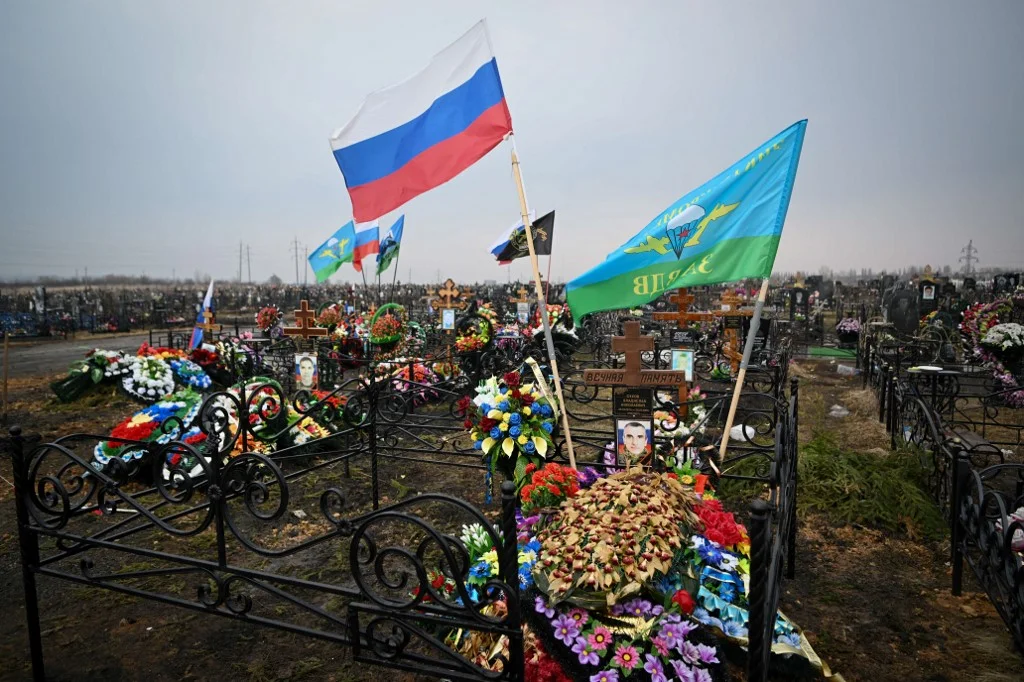 The confirmed count of Russian soldiers, officers, sailors and airmen confirmed killed in action or dead of combat injuries in Ukraine has passed 200,000, the research group Mediazona announced on Tuesday, citing new survey findings.