When an Israeli settler killed dozens of Palestinian worshippers during Ramadan at the Ibrahimi Mosque in 1994, the shock reverberated far beyond Hebron.
The massacre marked a tragic turning point for the sacred site in the occupied West Bank and its Islamic identity.
In its aftermath, Israel tightened its grip, consolidating control over the mosque and imposing ever-escalating restrictions on Muslims.
Now, 32 years on, the atmosphere inside the mosque feels bleaker than ever.
Hosni al-Rajbi, 74, was one of the 125 Palestinians who were wounded during the massacre but survived. Today, he resolutely continues to pray at the ancient site, propped up by a wooden cane.
Pausing in a covered alleyway as he leaves the mosque, Rajbi says Ramadan night prayers this year are weighed down with an anguish about the fate of the mosque, Hebron and Palestine.
The strain felt by the community is even worse than after the massacre three decades ago, he says.
Barely any worshippers are able to reach the mosque because of Israeli restrictions and harassment.
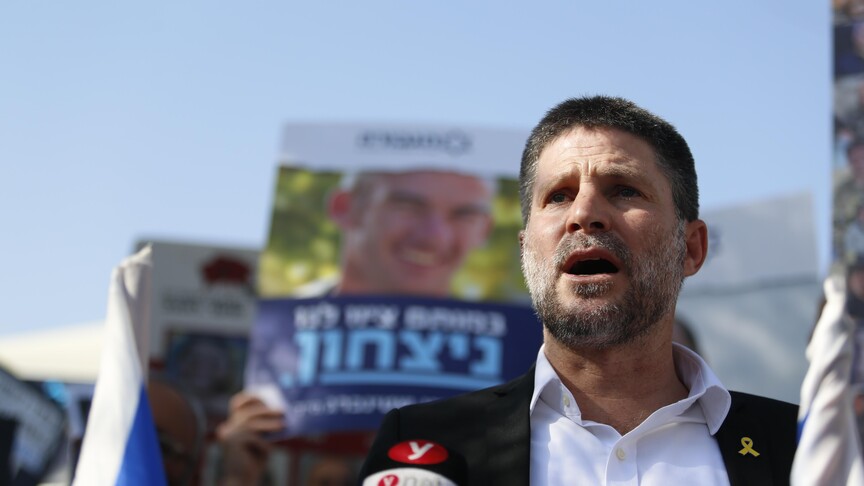 Germany on Wednesday criticized Israeli Finance Minister Bezalel Smotrich over remarks that he would push for...
 Two activists seized by Israeli forces in international waters while en route to deliver humanitarian aid...
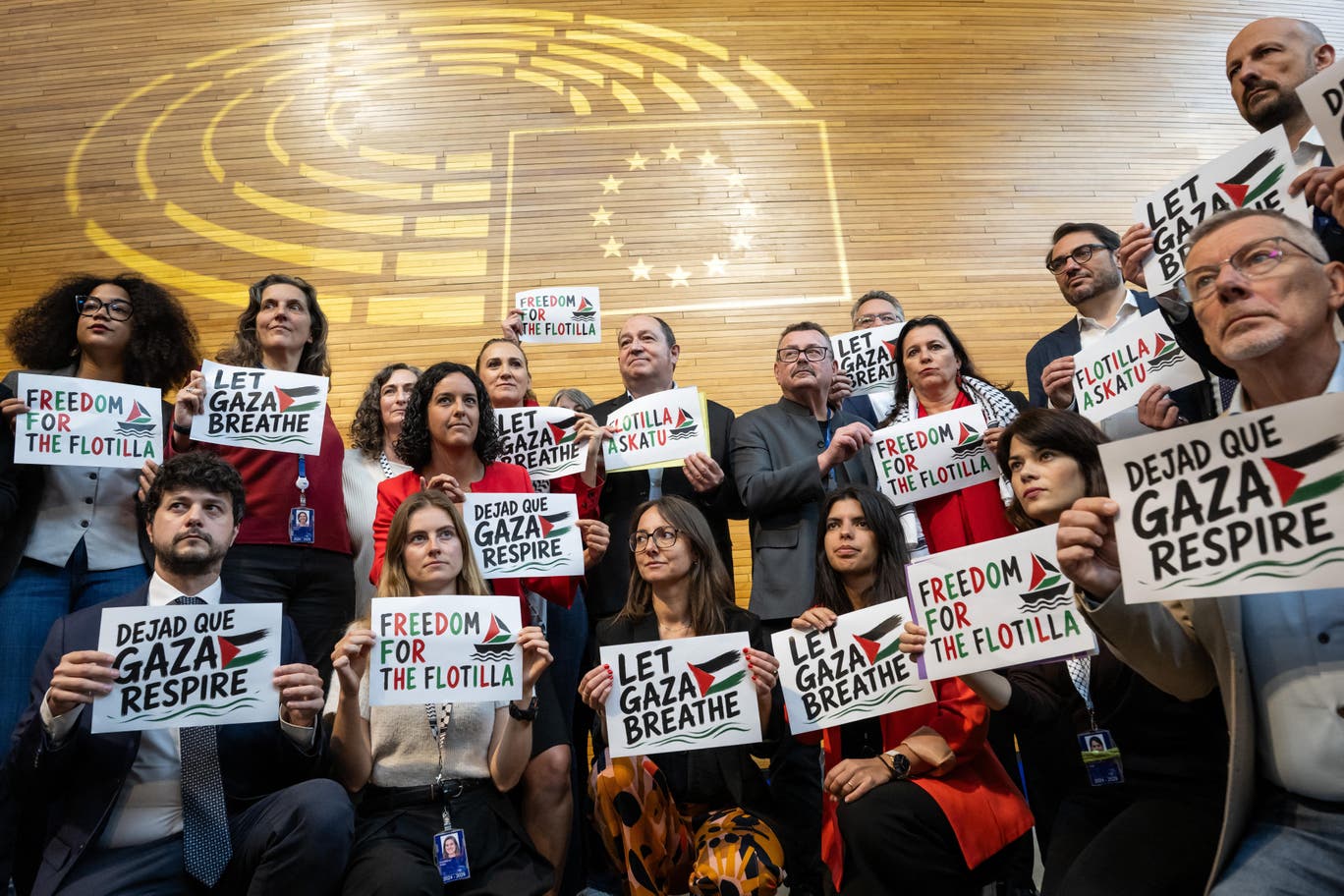 Detained activists from a flotilla that tried to get past the Israeli blockade of Gaza arrived...
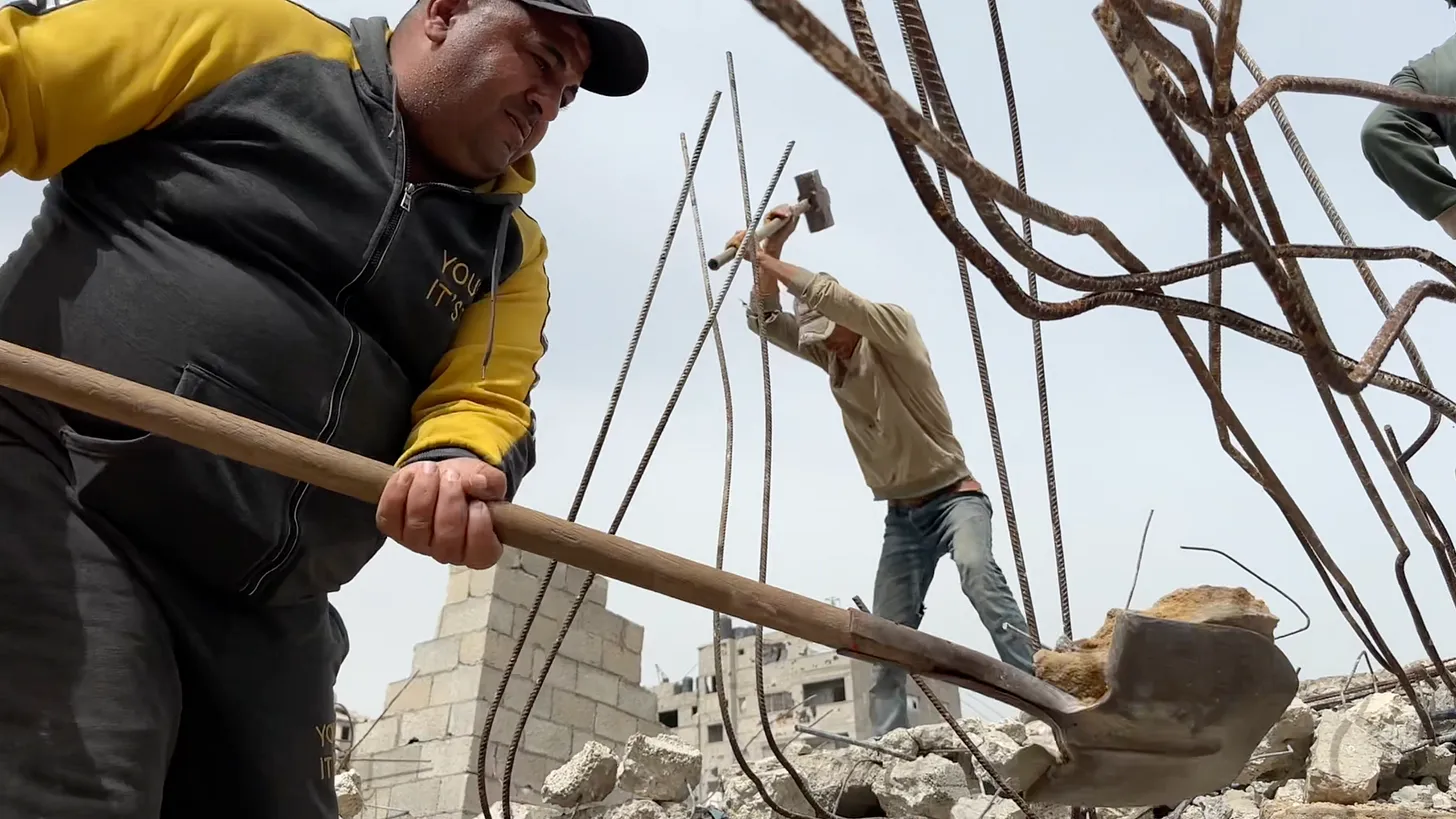 Mahmoud Khilla waited for nearly two and half years for the remains of his family to...