International Glance
 On Thursday morning, a chartered plane carrying 153 Palestinians from war-torn Gaza – many without the required travel documents – landed at an airport near Johannesburg, leaving South African officials “blindsided”.
After nearly 12 hours of scrambling, the group was allowed to disembark into the care of a local charity organisation.
More details have emerged about the scheme run by “Al-Majd Europe”, through which activists argue Israel is advancing its ethnic cleansing of Palestinians from Gaza.
The Palestinian passengers were charged a hefty sum of money by the organisation, which says on its website that it coordinates “evacuations from conflict zones”.
Here is everything we know about the group’s transit so far and who’s behind Al-Majd Europe.
The plane full of people sat on a runway for nearly 12 hours while South African authorities tried to figure out why they did not have exit stamps or slips from when they left Gaza, according to officials from South Africa’s border agency.
They were also not sure when asked by immigration where they would stay or how long they planned to be in South Africa.
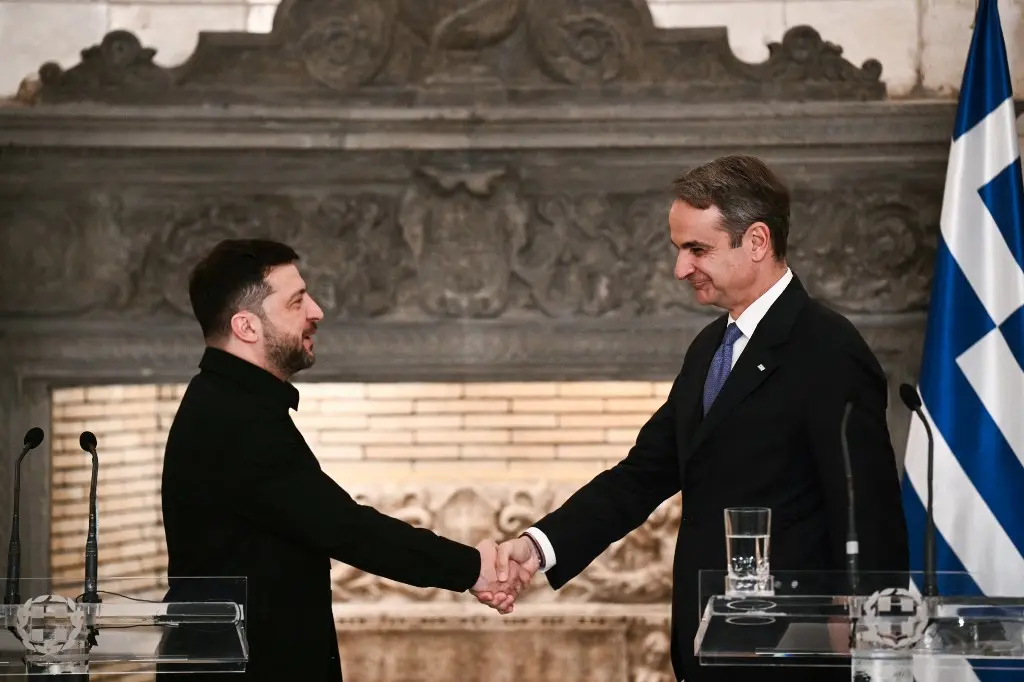 Ukraine and Greece signed an agreement in Athens on Sunday for the provision of US-supplied liquefied natural gas (LNG) to Kyiv throughout the winter months.
 Heavy rain across the Gaza Strip on Friday has drenched many tents where displaced Palestinians are sheltering.
 The US state department has announced that it will designate four European self-described anti-fascist groups as Foreign Terrorist Organisations, as the Trump administration broadens its campaign against what it portrays as an international wave of leftist violence.
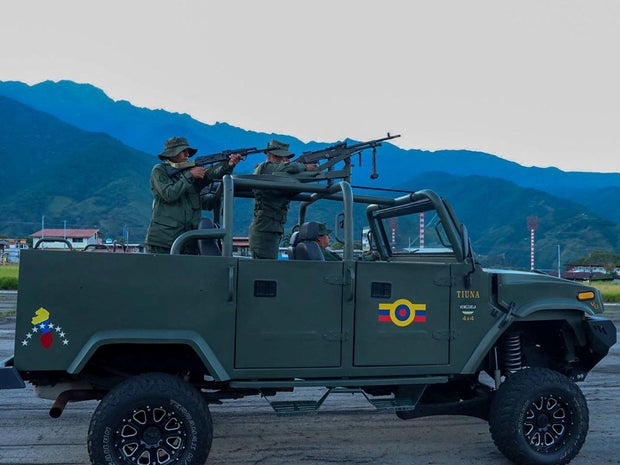 Venezuela said late Tuesday that it is launching a “massive deployment” of nearly 200,000 soldiers in response to the U.S.
 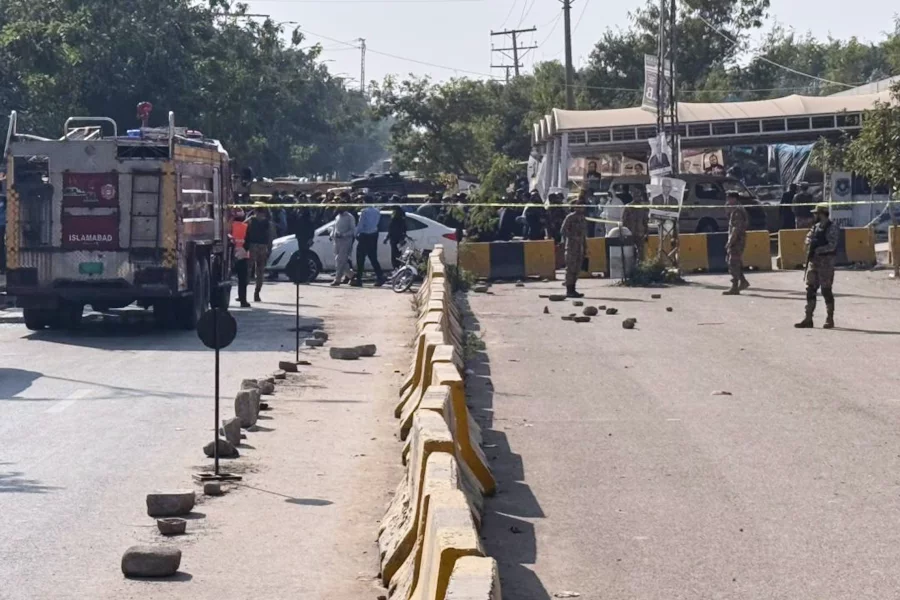 A suicide bomber struck outside the gates of a district court in Islamabad on Tuesday, detonating his explosives next to a police car and killing 12 people, Pakistan's interior minister said, the latest in an uptick in violence across the country.