Environmental Glance
 Possibly angry at this situation, on April 21st a 62-year-old nuclear worker broke the silence on the continued leakage of contaminated water from Fukushima Daiichi. Speaking to me, he requested anonymity for fear of losing his job. He supervises a construction site aimed at building a new facility to extract radioactive materials such as cesium and strontium from the contaminated water used to cool the plant’s crippled reactors. He revealed that the current facility removes only cesium and that other radioactive materials such as strontium cannot be cleaned up.
Fukushima Daiichi Worker: Nothing can be done except to leak radioactive water! — Honestly feel that we are dumping massive amounts into ocean — Will spread all over world, reaching Hawaii and US soon
Fukushima reactor No. 4 vulnerable to catastrophic collapse; could unleash 85 times Cesium-137 radiation of Chernobyl; human civilization on the brink
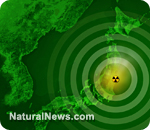 The news you are about to read puts everything else in the category of "insignificant" by comparison. Concerned about the 2012 U.S. presidential election? Worried about GMOs? Fluoride? Vaccines? Secret prisons? None of that even matters if we don't solve the problem of Fukushima reactor No. 4, which is on the verge of a catastrophic failure that could unleash enough radiation to end human civilization on our planet. (See the numbers below.)
U.S. completes warmest 12-month period in 117 years
 As far back as records go (1895), never has the U.S. strung together 12 straight months warmer than May 2011 to April 2012 according to new data released today by NOAA’s National Climatic Data Center (NCDC) .
The record-setting 12-month period edged out November 1999-October 2000, the 2nd warmest 12-month period, by 0.1°F. The average temperature was 2.8 degrees F above the 20th century average.
New Proposal on Fracking Gives Ground to Industry
 The Obama administration on Friday issued a proposed rule governing hydraulic fracturing for oil and gas on public lands that will for the first time require disclosure of the chemicals used in the process.
But in a significant concession to the oil industry, companies will have to reveal the composition of fluids only after they have completed drilling — a sharp change from the government’s original proposal, which would have required disclosure of the chemicals 30 days before a well could be started.
The Worst Yet to Come? Why Nuclear Experts Are Calling Fukushima a Ticking Time-Bomb

But nuclear waste experts say the Japanese are literally playing with fire in the way nuclear spent fuel continues to be stored onsite, especially in reactor 4, which contains the most irradiated fuel -- 10 times the deadly cesium-137 released during the 1986 Chernobyl nuclear accident. These experts also charge that the NRC is letting this threat fester because acknowledging it would call into question safety at dozens of identically designed nuclear power plants around the U.S., which contain exceedingly higher volumes of spent fuel in similar elevated pools outside of reinforced containment.
Vermont first state in nation to ban fracking for oil and gas
 With a 103-36 vote in the House of Representatives, Vermont on Friday became the first state to ban hydraulic fracturing to extract oil or natural gas. The bill passed the Senate earlier this week.
The House debate was short. Heidi Scheuermann, R-Stowe, raised concerns that Vermont was banning the practice without knowing what natural gas resources it was giving up. “We have no idea if some farmers in Franklin County might be able to take advantage of an economic opportunity on their property,” she said in floor debate. Scheuermann urged the House to vote for a moratorium, which would sunset after a number of years.
New Study Predicts Frack Fluids Can Migrate to Aquifers Within Years
 A new study has raised fresh concerns about the safety of gas drilling in the Marcellus Shale, concluding that fracking chemicals injected into the ground could migrate toward drinking water supplies far more quickly than experts have previously predicted.
More than 5,000 wells were drilled in the Marcellus between mid-2009 and mid-2010, according to the study, which was published in the journal Ground Water two weeks ago. Operators inject up to 4 million gallons of fluid, under more than 10,000 pounds of pressure, to drill and frack each well.
More Articles...
Page 110 of 203