Health Glance
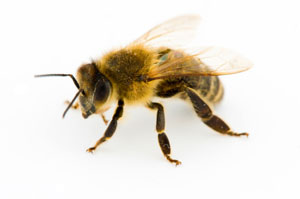 Nanoparticles containing bee venom toxin melittin can destroy human immunodeficiency virus (HIV) while at the same time leaving surrounding cells unharmed, scientists from Washington University School of Medicine reported in the March 2013 issue of Antiviral Therapy.
The researchers said that their finding is a major step toward creating a vaginal gel that can prevent HIV spread. HIV is the virus that causes AIDS.
Joshua L. Hood, MD, PhD, a research instructor in medicine, said: "Our hope is that in places where HIV is running rampant, people could use this gel as a preventive measure to stop the initial infection."
 Federal officials warned Tuesday that “nightmare bacteria” — including the deadly superbug that struck a National Institutes of Health facility two years ago — are increasingly resistant to even the strongest antibiotics, posing a growing threat to hospitals and nursing homes nationwide.
 A new study offers more compelling evidence that life expectancy for some U.S. women is actually falling, a disturbing trend that experts can't explain.
 Skin patches which deliver oestrogen into the blood may be a cheaper and safer treatment for prostate cancer than current therapies, a study says.
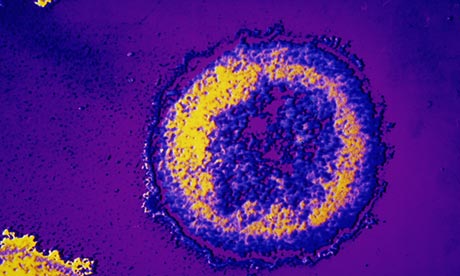 Doctors in the US have made medical history by effectively curing a child born with HIV, the first time such a case has been documented. The infant, who is now two and a half, needs no medication for HIV, has a normal life expectancy and is highly unlikely to be infectious to others, doctors believe.