Environmental News Archive



On March 11, 2011, a 9.0 magnitude earthquake off the coast of northeastern Japan triggered a tsunami that led to the meltdown of three nuclear reactors at the Fukushima Daiichi power plant.
While immediate health consequences are yet to be determined, more than 159,000 people were evicted from areas deemed too radioactive for human habitation. The World Health Organization has warned about “increased risk of certain cancers” for people in the most contaminated areas.
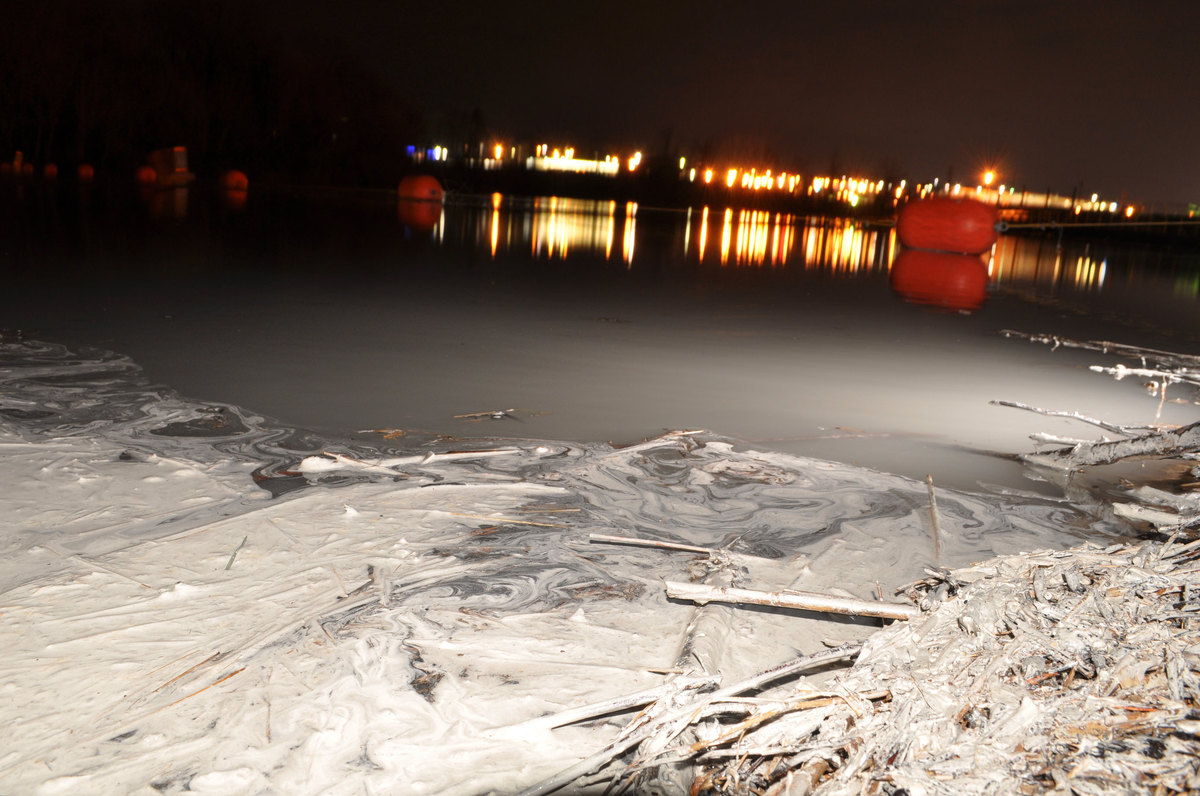 Federal prosecutors have filed criminal charges against Duke Energy with years of illegal pollution from coal ash dumps at five North Carolina power plants.
 The long and severe drought in the U.S. Southwest pales in comparison with what’s coming: a “megadrought” that will grip that region and the central Plains later this century and probably stay there for decades, a new study says.
 In a year the Republican-controlled Congress is expected to take a significant whack at President Barack Obama’s environmental agenda, GOP lawmakers on Wednesday told top environmental officials they should scrap what was once a fairly obscure proposal to define what is and isn’t considered a body of water by federal law.
 Two subglacial Greenland lakes thought to be stable -- pockets of icy water accumulated over many years -- are now gone, drained in a matter of weeks. And scientists aren't exactly sure why or what it means.
 The official numbers are in, and they confirm what most already suspected: 2014 was the hottest year on record. Temperature records were shattered in places across the globe, including in much of Europe, parts of South America, as well as in China and portions of Russia and the Far East.