Congressional Glance
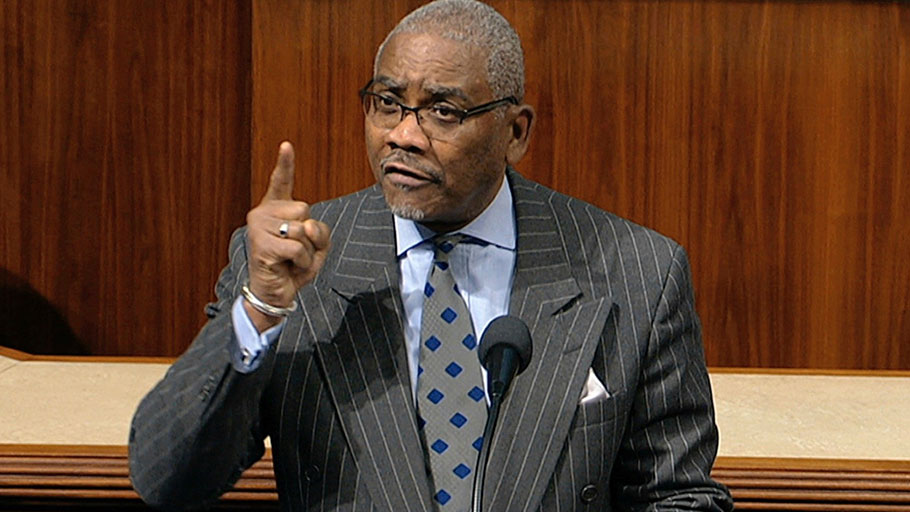 The top Democrat on the House Foreign Affairs Committee took the rare step Wednesday of publicly announcing a hold on the Trump administration’s $2.8 billion plan to sell 40,000 one-ton bombs to Israel.
Rep. Gregory Meeks (D-N.Y.), the ranking member of the panel, said in a statement posted to X that he remains firmly committed to Israel’s security and its ability to defend itself, but raised concern about the risk to civilian lives, given the high death tolls throughout Israel’s war against Hamas in Gaza, and against Hezbollah in Lebanon.
“I therefore will not clear this sale at this time. The decision does not diminish Congressional support for Israel’s legitimate defense needs; it reflects Congress’s responsibility to ensure that U.S.-funded weapons are used lawfully, responsibly, and with meaningful safeguards for human life.”
Meeks’s decision to publicize his opposition, which generally takes place behind the scenes and with an effort toward compromise, represents Democrats’ frustration with the Trump administration and toward the government of Israeli Prime Minister Benjamin Netanyahu.
 Mitch McConnell, the former Republican Senate majority leader, returned to the Capitol on Monday and cast his first vote after a months‑long absence that fueled rampant speculation about his health.
 At around five o’clock on a winter evening in 2013, then college student Sam Forstag was driving through a snowstorm toward his third job of the day, making sandwiches at the Subway inside a Walmart.
 In a recent fundraising email, the Republican candidate for Michigan’s open US Senate seat, former congressman Mike Rogers, appeared to mislead supporters about his past by suggesting that he had played an active role in the killing of Osama bin Laden, the leader of al-Qaida who was shot and killed in an American military raid on his compound in Pakistan in 2011.
 South Carolina Sen. Darline Graham has won the GOP nomination for the U.S. Senate, according to a race call by the Associated Press.