Special Interest Glance
It's illegal for armed federal officers to be at polls. Lawsuits seek to ensure that
 Paul López, Denver's clerk and recorder overseeing elections, has noticed voters have a new concern this year.
"Every single meeting I have, there's somebody that asks the question, 'What can we do if federal agents are at the polls?'" López said.
Federal interference at the polls is against the law. But it is increasingly a scenario López and other voting officials and civil rights groups are planning for and trying to prevent, since Trump administration officials have repeatedly floated the possibility of federal officers at polling locations.
López is part of a coalition that filed a lawsuit last week. Another coalition filed one Friday. Each is aimed at blocking federal officers from the polls under different aspects of federal law. NPR is the first to report on the latest lawsuit, which was brought by civil rights groups and unions.
President Trump, when asked in May about the idea that federal agents could be deployed to polling places, said he would do "anything necessary" to make sure the U.S. has "honest" elections. Earlier this month, Department of Homeland Security Secretary Markwayne Mullin said Immigration and Customs Enforcement agents could serve warrants at polling places. And border czar Tom Homan told Fox News last week that agents would not be "sweeping polling places," but earlier in the year also questioned why anyone would be concerned by such activity.
More...
Russian Attack Halts US-Owned Oleina Sunflower Oil Plant in Dnipro
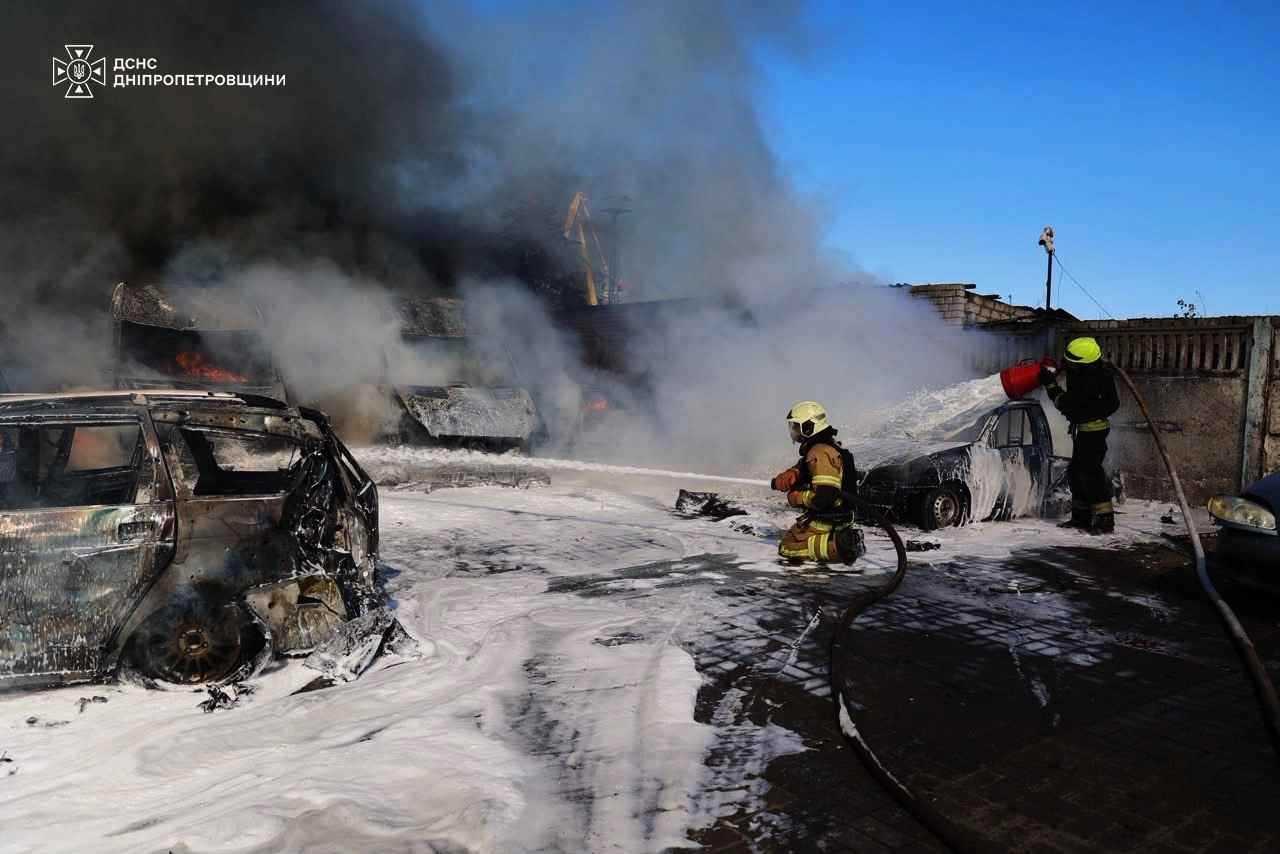 Russian strikes on Ukrainian food production infrastructure have intensified, with a Sept. 10 attack damaging the Bunge-owned vegetable oil processing plant in central Dnipro.
The assault on Bunge follows a series of recent strikes aimed at Ukraine’s agricultural and food manufacturing sectors.
The facility, best known for producing the Oleina sunflower oil brand, was forced to suspend operations following damage to its production site.
The morning attack directly targeted part of the manufacturing complex. Global agribusiness giant Bunge confirmed that while its facilities sustained damage, no plant employees were injured. However, broader consequences of the strike in Dnipro resulted in two deaths and two injuries, according to the State Emergency Service of Ukraine. Responders extinguished a blaze near the facility that destroyed 12 cars and two minibuses.
Trump’s plan to halve FEMA workforce illegal, judge rules
A federal judge determined Friday that the Trump administration broke the law when it attempted to cut the Federal Emergency Management Agency’s (FEMA) workforce, a ruling which coincided with America’s hurricane season.
In her order, U.S. District Judge Susan Illston said the Department of Homeland Security (DHS) “unlawfully usurped the authority” of FEMA “to make its own personnel decisions.”
Illston, appointed under former President Clinton, found that DHS violated a federal law established in 2005 in the wake of Hurricane Katrina that said the department “may not substantially or significantly reduce . . . the authorities, responsibilities, or functions of” FEMA.
More Articles...
- Susan Sarandon says she is losing movie roles because of her support for Palestine
- Death toll from Israeli settler attacks spirals in 'most violent' year for West Bank
- Pennsylvania officer charged in killing of college student who went to wrong house
- Nebraska school district asks police to stop using shock gloves on students
Page 1 of 176