War Glance
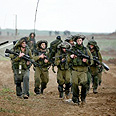 Israeli soldiers used an 11-year-old Palestinian boy as a human shield during the war against Hamas in the Gaza Strip, UN human rights experts said Monday.
The IDF ordered the boy to walk in front of soldiers being fired on in the Gaza neighborhood of Tel al-Hawa and enter buildings before them, said the UN secretary-general's envoy for protecting children in armed conflict.
 Now testimony is emerging from within the ranks of soldiers and officers alleging a permissive attitude toward the killing of civilians and reckless destruction of property that is sure to inflame the domestic and international debate about the army's conduct in Gaza.
 During Operation Cast Lead, Israeli forces killed Palestinian civilians under permissive rules of engagement and intentionally destroyed their property, say soldiers who fought in the offensive.
 Intelligence experts explicitly warned Tony Blair's aides that Britain was not in "imminent danger of attack" from Saddam Hussein, a confidential memo revealed today.