Environmental Glance
 Thanks to the dire condition of the Earth's coral reefs, the planet has now reached its first tipping point for human-caused climate change, according to a new report by scientists in Europe.
The second Global Tipping Points Report, released Oct. 13, said warm-water coral reefs – on which nearly 1 billion people and a quarter of all marine life depend – are "passing their tipping point."
According to the report, widespread coral dieback is taking place and – unless global warming is reversed – extensive reefs as we know them will be lost, although small refuges may survive and must be protected.
What is a 'tipping point'?
A “tipping point” occurs when a small change tips a system into a new state, causing significant and long-term transformation. With the climate, these points of no return are specific moments when the planet has warmed so much that certain effects become irreversible.
 In the wake of the deadly flash floods in Texas on July 4, Texas leaders are betting on the lifesaving potential of flood warning sirens.
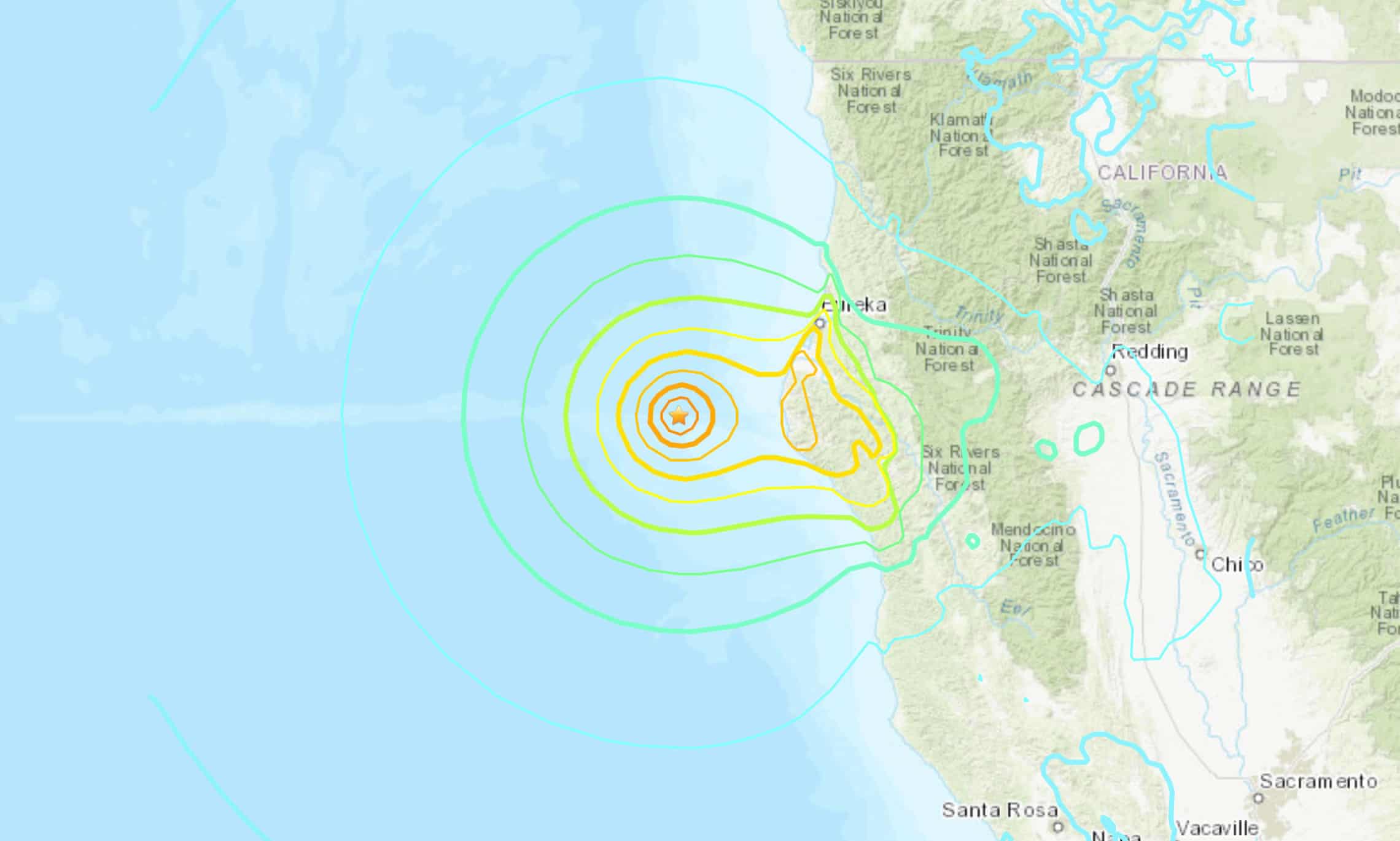 A series of earthquakes struck the northern
  California