The 1974 Carnation Revolution in Portugal that overthrew the country's dictatorship and led to independence for its African colonies was sparked off by the airing of Portugal's Eurovision entry for that year, E depois do adeus ("And After the Farewell"), by Paulo de Carvalho.
In 2009, authorities in Azerbaijan interrogated 43 people after they voted for Armenia's entry in the contest that year, while Ukraine and Russia regularly jibed at each other over the latter's invasion until Russia was expelled in 2022.
But arguably the biggest political controversy in the contest has been around Israel's participation since the beginning of the genocide in Gaza in October 2023.
"For me, this is first and foremost about the devastating humanitarian catastrophe in Gaza and the enormous loss of civilian lives," Emmelie de Forest, winner of the 2013 Eurovision song contest, told Middle East Eye.
"But it’s also about what it means when cultural institutions try to completely separate themselves from political reality. I don’t think music exists outside the world around us."
 Russian missiles tore into the Ukrainian capital before dawn on Saturday, killing nine people and injuring...
 US President Donald Trump on Friday told reporters that the "Board of Peace" will be the...
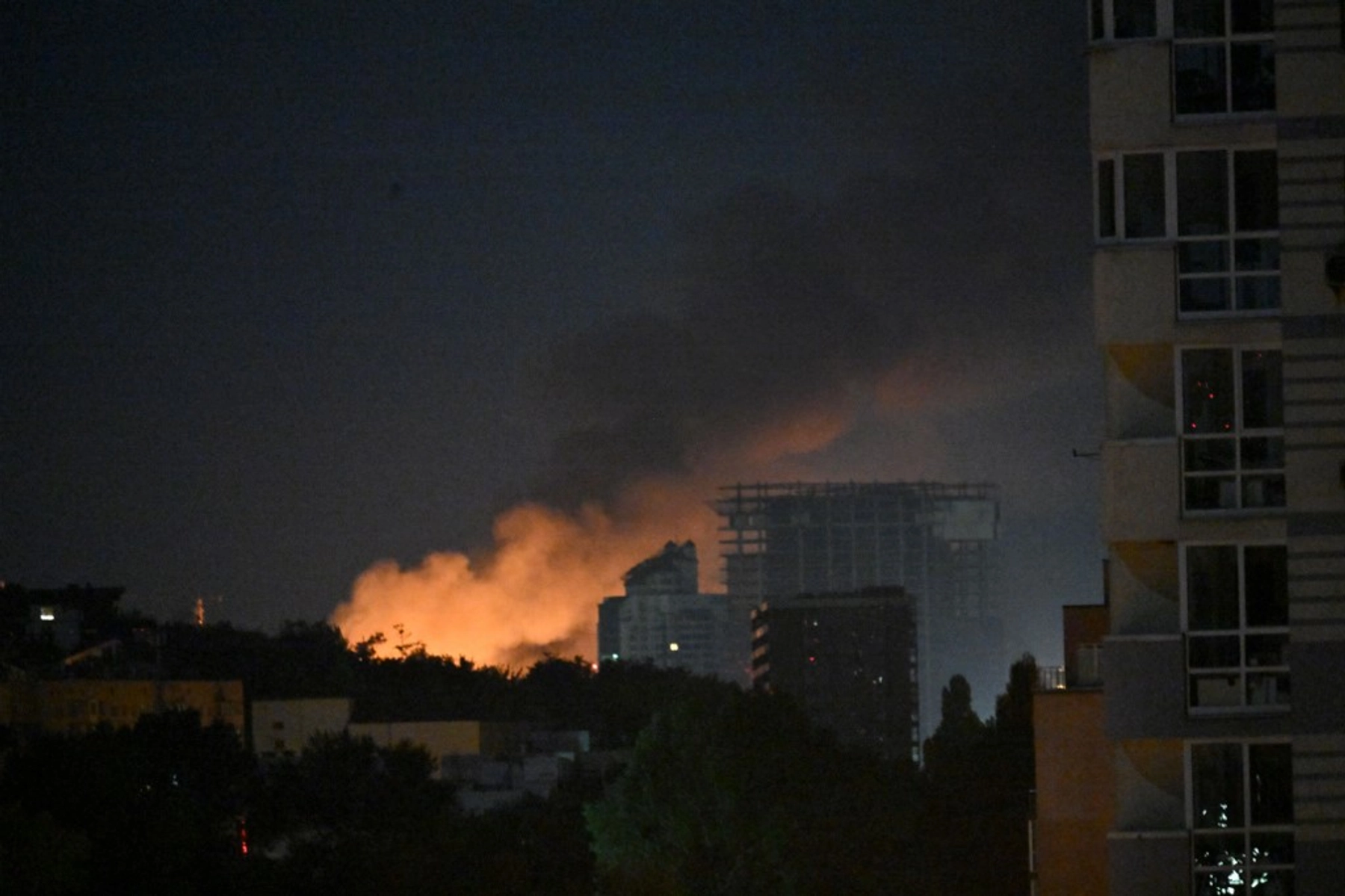 Russia launched a mass ballistic missile attack on Kyiv early Saturday, killing at least four people...