 Former Israeli prime minister Ariel Sharon, when asked to explain the apparent about-face that led him to advocate the unilateral withdrawal from the Gaza Strip, quoted a beloved Israeli pop ballad. “What you can see from there, you can’t see from here,” he said, referring to the shift in perspective he had supposedly undergone since coming to power.
Although the 2005 Gaza disengagement was perhaps less a change of heart than one of strategy, as his senior adviser later admitted, the lyric became a byword of Israeli politics, an oft-cited reminder that perspective is everything.
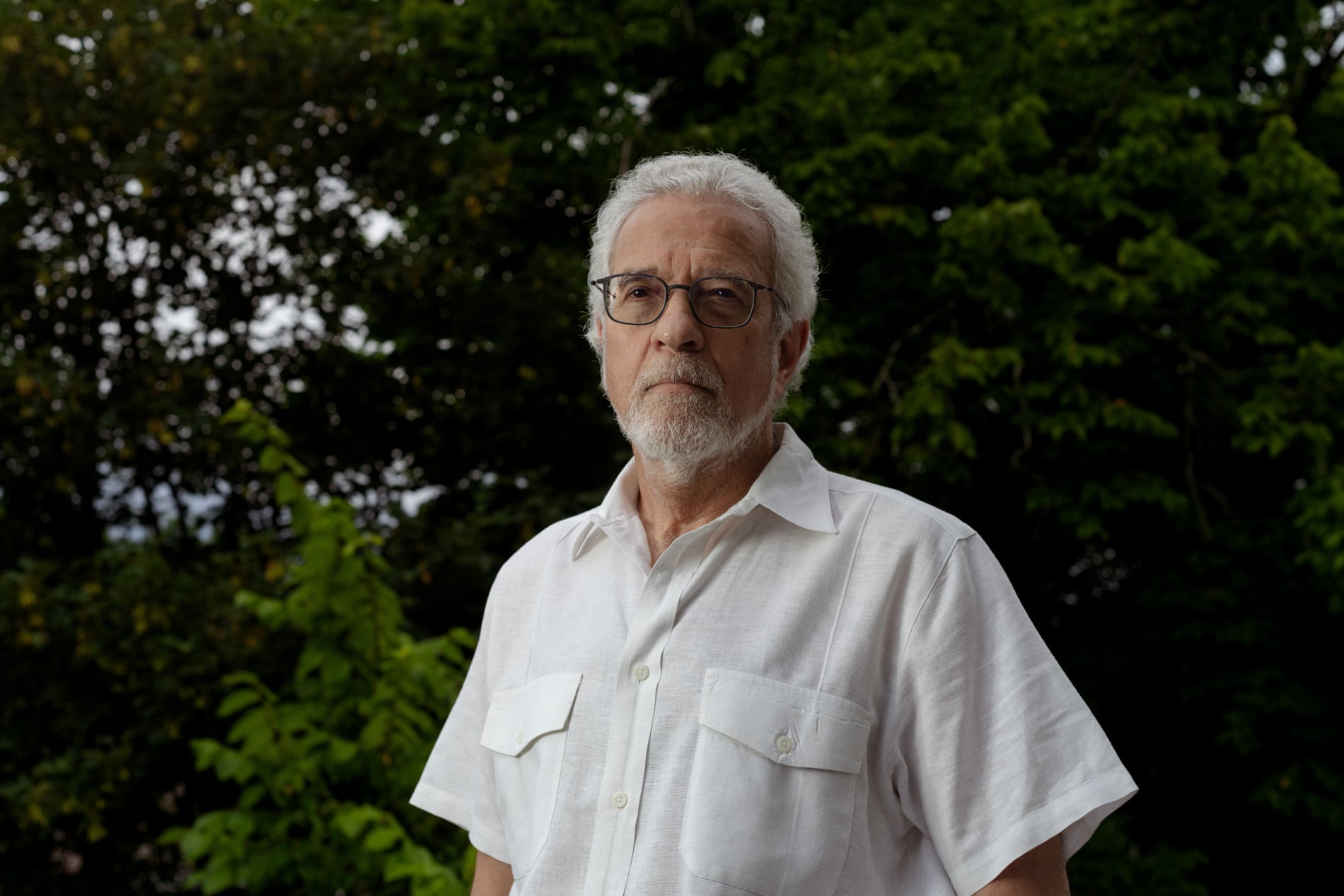
Israeli-born Holocaust historian Omer Bartov invoked the same line when he was asked how he had come to view Israel’s ferocious assault on Gaza as a genocide. Living in the US, where he has spent more than three decades, he said, had given him the necessary distance to see the annihilation of Gaza for what it was. “I think it’s very hard to be dispassionate when you’re there,” he said.
Bartov did more than simply apply the word genocide to Israel’s actions: he shouted it from the establishment-media rooftops, making the case in a lengthy July 2025 essay in the New York Times titled: I’m a Genocide Scholar. I Know It When I See It. (He had addressed some of the arguments in a Guardian essay the year prior.) Bartov’s declaration cost him several close relationships, he told me, even though subsequent events have not only validated his analysis but further demonstrated the lack of concern for Palestinian suffering that has become prevalent in Israeli society.
 The move to ban NHS staff from displaying political symbols in the workplace and wearing medical...
 The UK’s charity regulator has issued an official warning to a British charity which raises funds...
 As part of his visit to Ukraine, US Senator Lindsey Graham visited one of the production...
 Russia launched a ballistic missile attack on Kyiv early Saturday, striking four districts and injuring at...