For decades, the world has known that the massive Israeli facility near Dimona, in the Negev Desert, was the key to its secret nuclear project. Yet, for decades, the world—and Israel—knew that Israel had once misleadingly referred to it as a “textile factory.” Until now, though, we’ve never known how that myth began—and how quickly the United States saw through it.
The answers, as it turns out, are part of a fascinating tale that played out in the closing weeks of the Eisenhower administration—a story that begins with the father of Secretary of State John Kerry and a familiar charge that the U.S. intelligence community failed to “connect the dots.”
In its final months, even as the Kennedy-Nixon presidential race captivated the country, the Eisenhower administration faced a series of crises involving Cuba and Laos. Yet, as the fall of 1960 progressed, President Dwight D. Eisenhower encountered a significant and unexpected problem of a new kind—U.S. diplomats learned and U.S. intelligence soon confirmed that Israel was building, with French aid, a secret nuclear reactor in the Negev Desert. Soon concluding that the Israelis were likely seeking an eventual nuclear weapons capability, the administration saw a threat to strategic stability in the Middle East and a nuclear proliferation threat.
Adding fuel to the fire was the perception that Israel was deceitful, or had not “come clean,” as CIA director Allen Dulles put it. Once the Americans started asking questions about Dimona, the site of Israel’s nuclear complex, the Israelis gave evasive and implausible cover stories.
More...
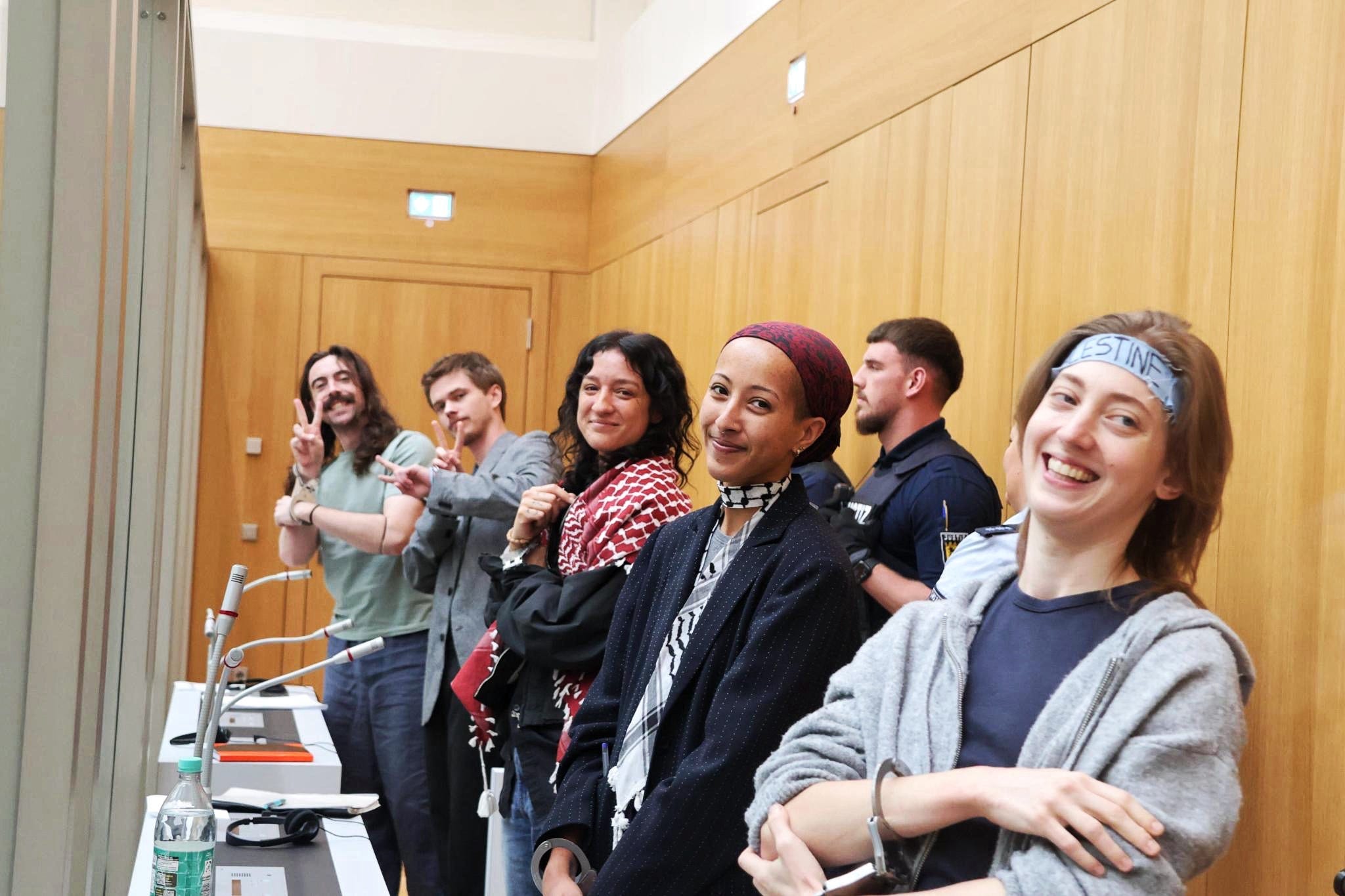 Nearly fifty years after the infamous Red Army Faction trials, Germany’s maximum-security Stammheim Prison is once...
 Denmark’s government was cautiously optimistic on Saturday following Donald Trump’s announcement of a deal on Greenland...
 Israel plans to seek additional US weapons and defence capabilities as "compensation" after Washington approved the...
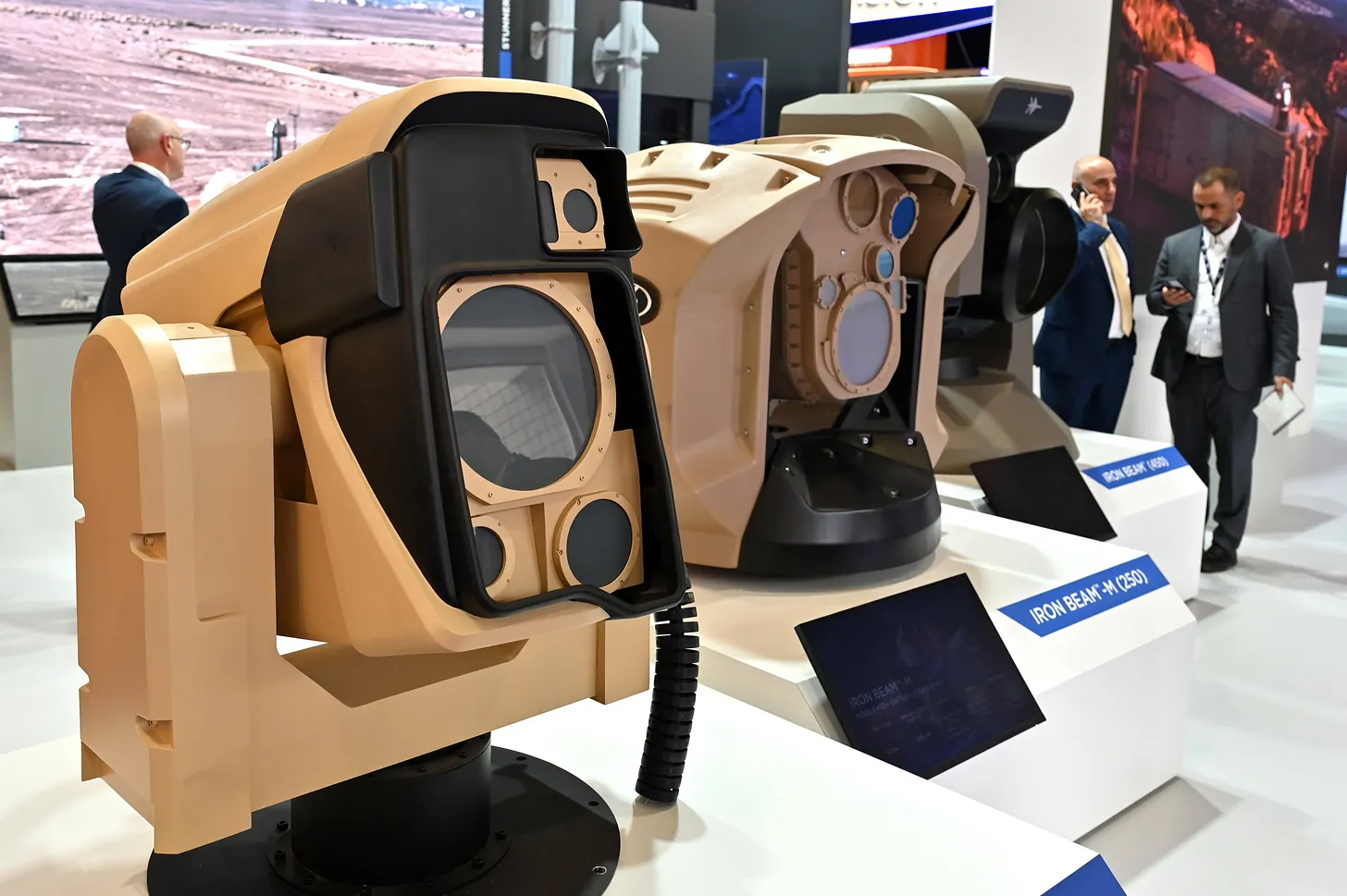 When Israel deployed its Iron Beam laser weapon for the first time last December, the announcement...