On billboards, on buses and in the halls of parliament, a battle is raging over the nature of Israel, raising ever more urgent questions over its future as a democracy.
Radicalized religious activists and conservative lawmakers see themselves as bulwarks against assaults on faith and country by rivals within multifaceted Israel and by the outside world.
Although the nationalist right includes many nonreligious Israelis and the religious camp is not exclusively nationalist, the overlap is strong, they are considered natural political allies, and they share a simmering historic grievance: a sense that Israel's cosmopolitan elites -- the courts, the media, even the army -- should be brought into line with a more conservative populace.
Arrayed against them are secular Israelis, many of them liberal and European-descended -- the group that established the country, long dominated its affairs, and has seen its majority dwindle.
They are horrified at the assault on what they consider a critical yet brittle achievement: Surrounded by dictatorships and theocracies, Israel is a place of pugnacious reporters and freewheeling human rights groups, a land where gay pride marches are commonplace and where it goes without saying that the Supreme Court can be led by a woman and include a prominent Arab.
Conservative Israelis are trying to force change as never before.
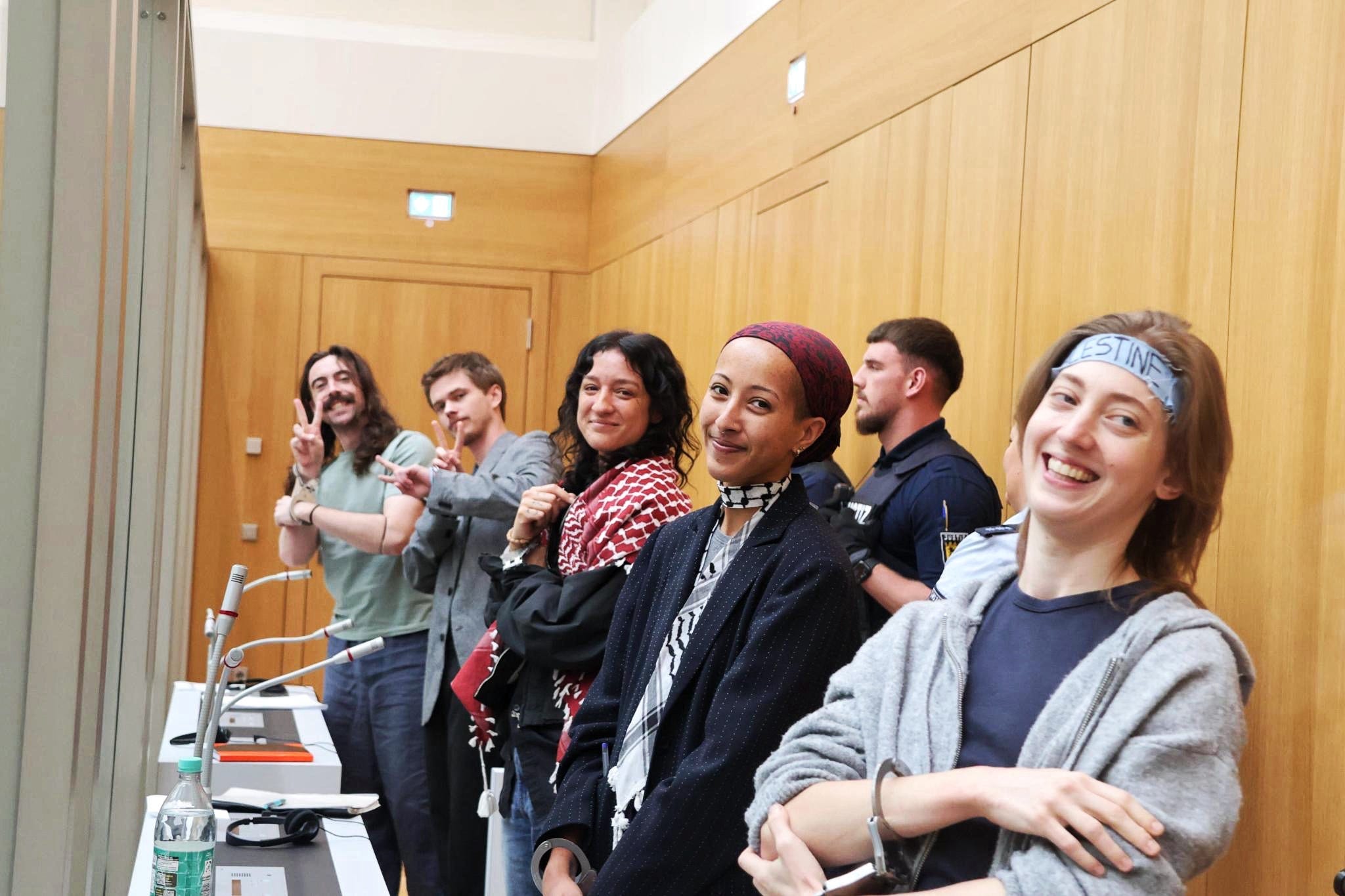 Nearly fifty years after the infamous Red Army Faction trials, Germany’s maximum-security Stammheim Prison is once...
 Denmark’s government was cautiously optimistic on Saturday following Donald Trump’s announcement of a deal on Greenland...
 Israel plans to seek additional US weapons and defence capabilities as "compensation" after Washington approved the...
 When Israel deployed its Iron Beam laser weapon for the first time last December, the announcement...