Nearly eight years after it was first erected, the controversial wall snaking through verdant fields and dusty hillsides has become a permanent fixture of the landscape. It has also cemented a psychological divide between Israelis and Palestinians, undermining the prospects for lasting peace that could not only end hostilities but boost economic prosperity.
"Since they built it, Israelis don't see the Palestinians and they don't want to see the Palestinians. And there is a new generation growing up in the West Bank, and they don't even know Hebrew," says Gal Berger, who covers Palestinians for Israel Radio. "That's a problem for the long term. There's growing alienation."
Both sides understand that the multibillion-dollar phalanx of electronic sensors, patrol roads, concrete slabs, and concertina wire could be removed under an eventual peace deal.
But by thwarting the daily interactions between people like Zeid and his customers, which until recently served as a crucial buffer against hard-line views of the "other," the wall looms as an obstacle to peace – though not an insurmountable one.
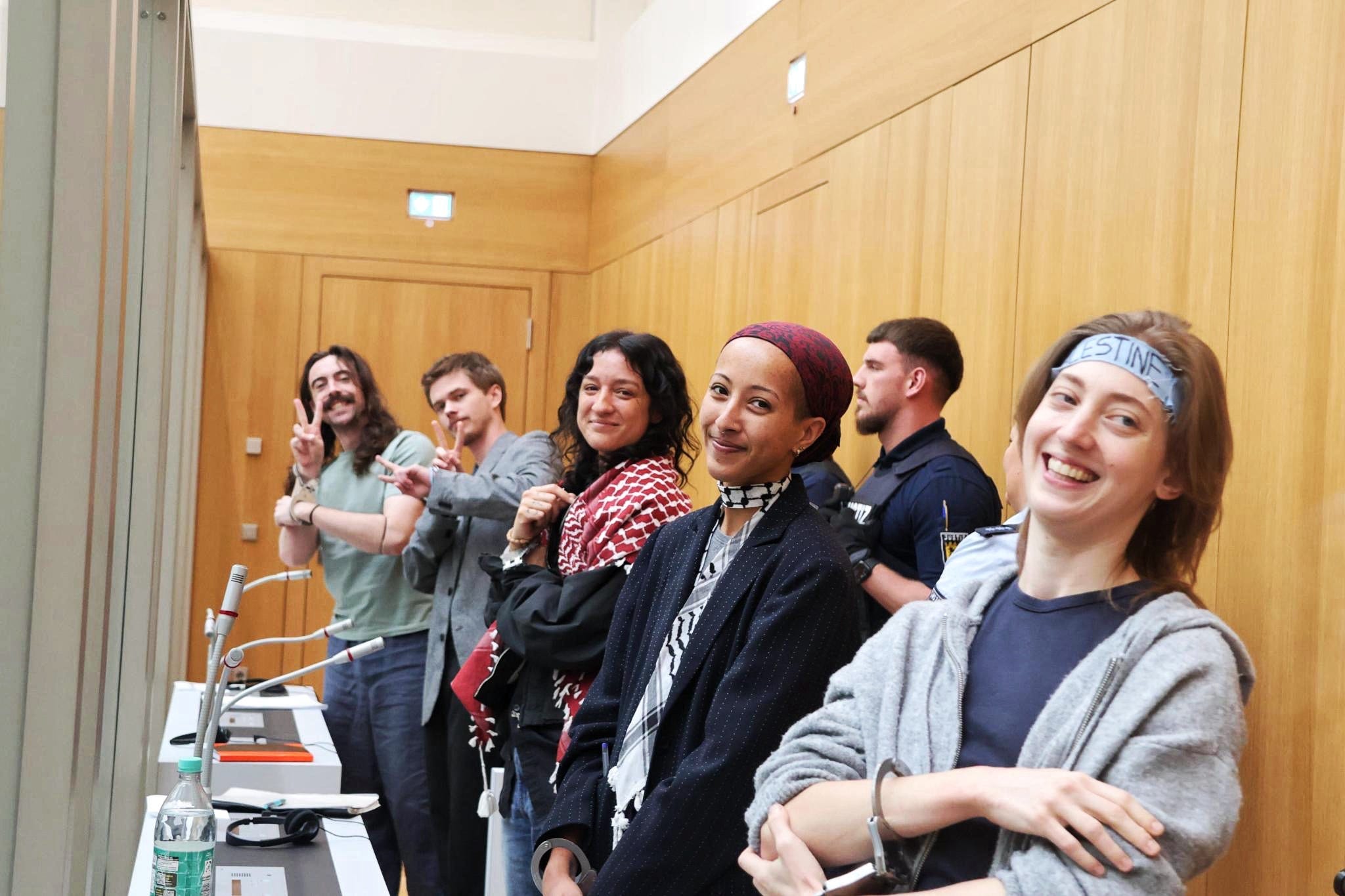 Nearly fifty years after the infamous Red Army Faction trials, Germany’s maximum-security Stammheim Prison is once...
 Denmark’s government was cautiously optimistic on Saturday following Donald Trump’s announcement of a deal on Greenland...
 Israel plans to seek additional US weapons and defence capabilities as "compensation" after Washington approved the...
 When Israel deployed its Iron Beam laser weapon for the first time last December, the announcement...