The Palestinians of Gaza, most of them descended from refugees of the 1948 war that created Israel, have lived through decades of conflict and confrontation. Their scars have accumulated like layers of sedimentary rock, each marking a different crisis — homelessness, occupation, war, dependency.
Today, however, two developments have conspired to turn a difficult life into a new torment: a three-year blockade by Israel and Egypt that has locked them in the small enclave and crushed what there was of a formal local economy; and the bitter rivalry between Palestinian factions, which has undermined identity and purpose, divided families and caused a severe shortage of electricity in the middle of summer.
There are plenty of things to buy in Gaza; goods are brought over the border or smuggled through the tunnels with Egypt. That is not the problem.
In fact, talk about food and people here get angry because it implies that their struggle is over subsistence rather than quality of life. The issue is not hunger. It is idleness, uncertainty and despair.
Any discussion of Gaza’s travails is part of a charged political debate. No humanitarian crisis? That is an Israeli talking point, people here will say, aimed at making the world forget Israel’s misdeeds. Palestinians trapped with no future? They are worse off in Lebanon, others respond, where their “Arab brothers” bar them from buying property and working in most professions.
 Two men that the Trump administration expelled to Equatorial Guinea were bound, fitted with bags over...
 Dozens of far-right Israelis gathered outside NAZA filmmaker Rachel Szor's family home on Wednesday, demanding she...
 The United Nations has “reasonable grounds” to believe the US committed a war crime with its...
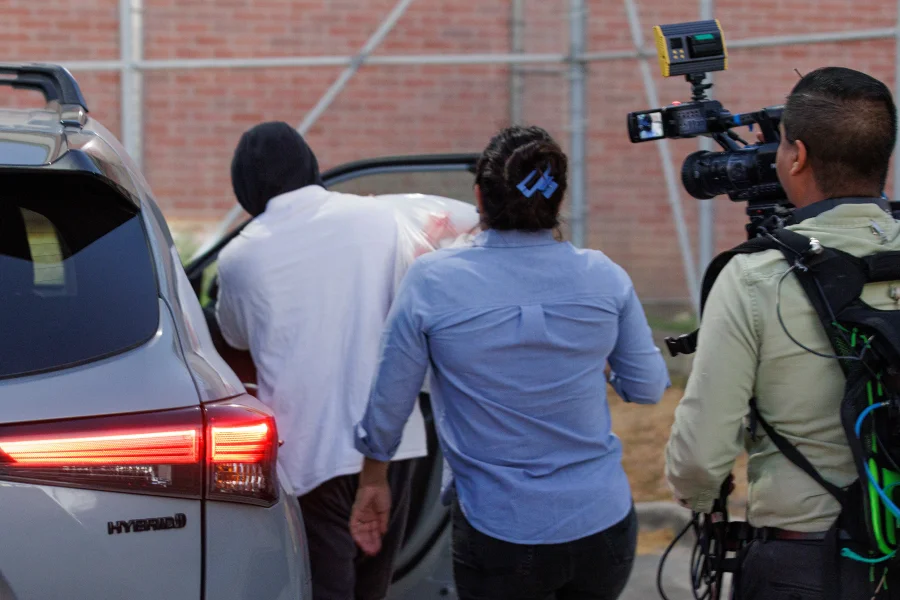 Immigration and Customs Enforcement officer Christian Castro made his first appearance in state court in Minneapolis...