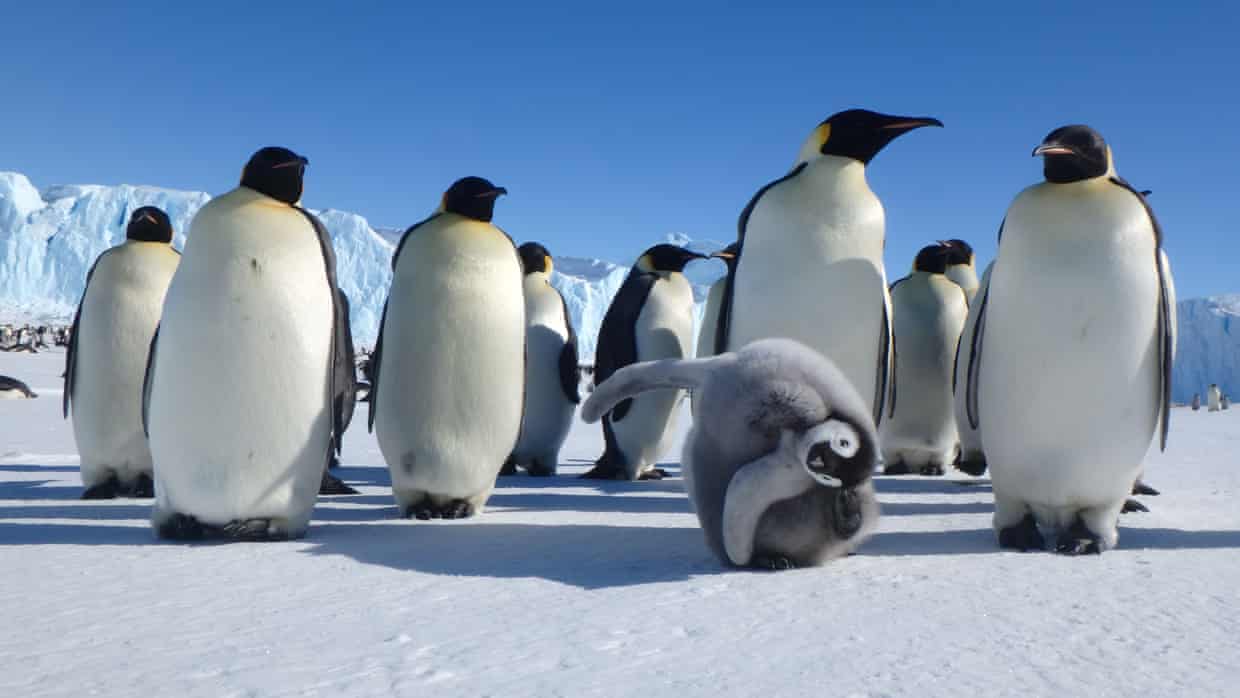
Two-thirds of Antarctica’s native species, including emperor penguins, are under threat of extinction or major population declines by 2100 under current trajectories of global heating, according to new research that outlines priorities for protecting the continent’s biodiversity.
The study, an international collaboration between scientists, conservationists and policymakers from 28 institutions in 12 countries, identified emperor penguins as the Antarctic species at greatest risk of extinction, followed by other seabirds and dry soil nematodes.
“Up to 80% of emperor penguin colonies are projected to be quasi-extinct by 2100 [population declines of more than 90%] with business-as-usual increases in greenhouse gas emissions,” it found.
Published in the journal Plos Biology, the research also found that implementing 10 key threat management strategies in parallel – which would cost an estimated US$23m annually – could benefit up to 84% of Antarctic organisms.
 New York City’s top watchdog agency has hired a team of lawyers to investigate exactly what...
 Earth cooked to its hottest month on record in August, blowing far past a key climate...